Mar 10, 2025
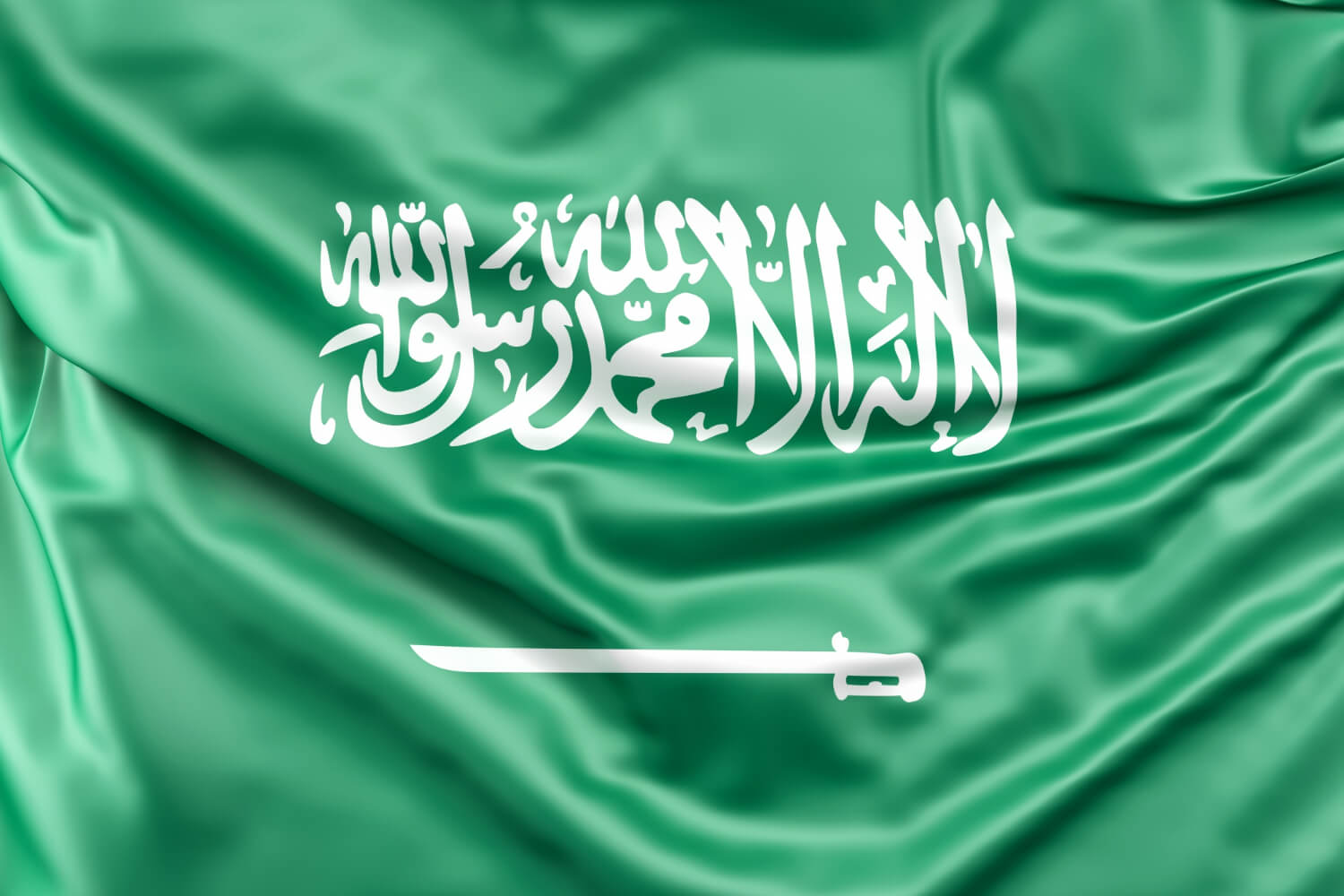
Saudi Flag Day is a significant national occasion celebrated in the Kingdom of Saudi Arabia on March 11 each year. This day was established by a royal order issued by the Custodian of the Two Holy Mosques, King Salman bin Abdulaziz Al Saud, on 9 Sha'ban 1444 AH, corresponding to March 1, 2023. It reflects the value of the national flag and its symbolic role in the history of the Kingdom.
March 11 was chosen as Saudi Flag Day because it coincides with the day King Abdulaziz bin Abdulrahman Al Saud approved the Saudi flag in its current form on 27 Dhu al-Hijjah 1355 AH, corresponding to March 11, 1937. The Saudi flag carries profound meanings that signify unity, justice, strength, growth, and prosperity.
The Saudi flag is green, with the Shahada (Islamic declaration of faith) "There is no god but Allah; Muhammad is the Messenger of Allah" and a drawn sword in the center. The Shahada symbolizes the message of peace and Islam upon which the Kingdom was founded, while the sword represents strength, dignity, and the elevation of wisdom and status. The Saudi flag is never lowered, reflecting its high status in the hearts of citizens.
In 2025, Saudi Flag Day will fall on Tuesday, March 11. As of now, it has not been announced that Flag Day will be an official holiday, but it is widely celebrated across the Kingdom.
The Kingdom of Saudi Arabia celebrates Flag Day in several ways, including:
The Saudi flag has specific standard specifications that reflect its precision and symbolic design. According to the Basic Law of Governance in Saudi Arabia, the flag must be entirely green, with a width equal to two-thirds of its length. The Shahada "There is no god but Allah; Muhammad is the Messenger of Allah" is written in Thuluth script in the center, with a drawn sword pointing towards the flagpole.
These specifications were carefully defined to ensure the flag is represented uniformly across the Kingdom. In 1355 AH (1937), the flag was approved in its current form by King Abdulaziz bin Abdulrahman Al Saud. In 1412 AH (1992), these specifications were reaffirmed in the Basic Law of Governance, which states that the flag must be green, with a width of two-thirds its length, and feature the Shahada and sword in the center.
Additionally, specific measurements have been set for flags used in official occasions and government buildings. For example, the main national flag must be 150 cm in length and 100 cm in width. These standard specifications ensure that the Saudi flag remains a unified symbol of the state and its values at all times and places.
Saudi Flag Day is a national occasion that reflects pride and honor in the flag, which represents the history and message of the Kingdom. On March 11, 2025, the Kingdom will continue to celebrate this day, which embodies national unity, strength, and Saudi identity.
Saudi Flag Day in 2025 will be on Tuesday, March 11.
As of now, it has not been announced that Saudi Flag Day will be an official holiday.
The Saudi flag is raised at all times on government buildings and Saudi embassies abroad. It is also raised during national and official occasions. The Saudi flag is never lowered, except during official mourning periods when it is flown at half-mast.
According to the Basic Law of Governance in Saudi Arabia, raising the flag is prohibited in the following cases:
Stay informed with expert-written articles and the latest trends in the real estate market.
March 25, 2025
In a move reflecting Saudi Arabia’s commitment to environmental protection and biodiversity conservation, Saudi officials announced the relocation of a global project in the futuristic city of Neom due to the discovery of a rare plant species found exclusively in that location. This decision came under the direct order of HRH Crown Prince Mohammed bin Salman, emphasizing the priority of environmental conservation in Saudi Vision 2030.
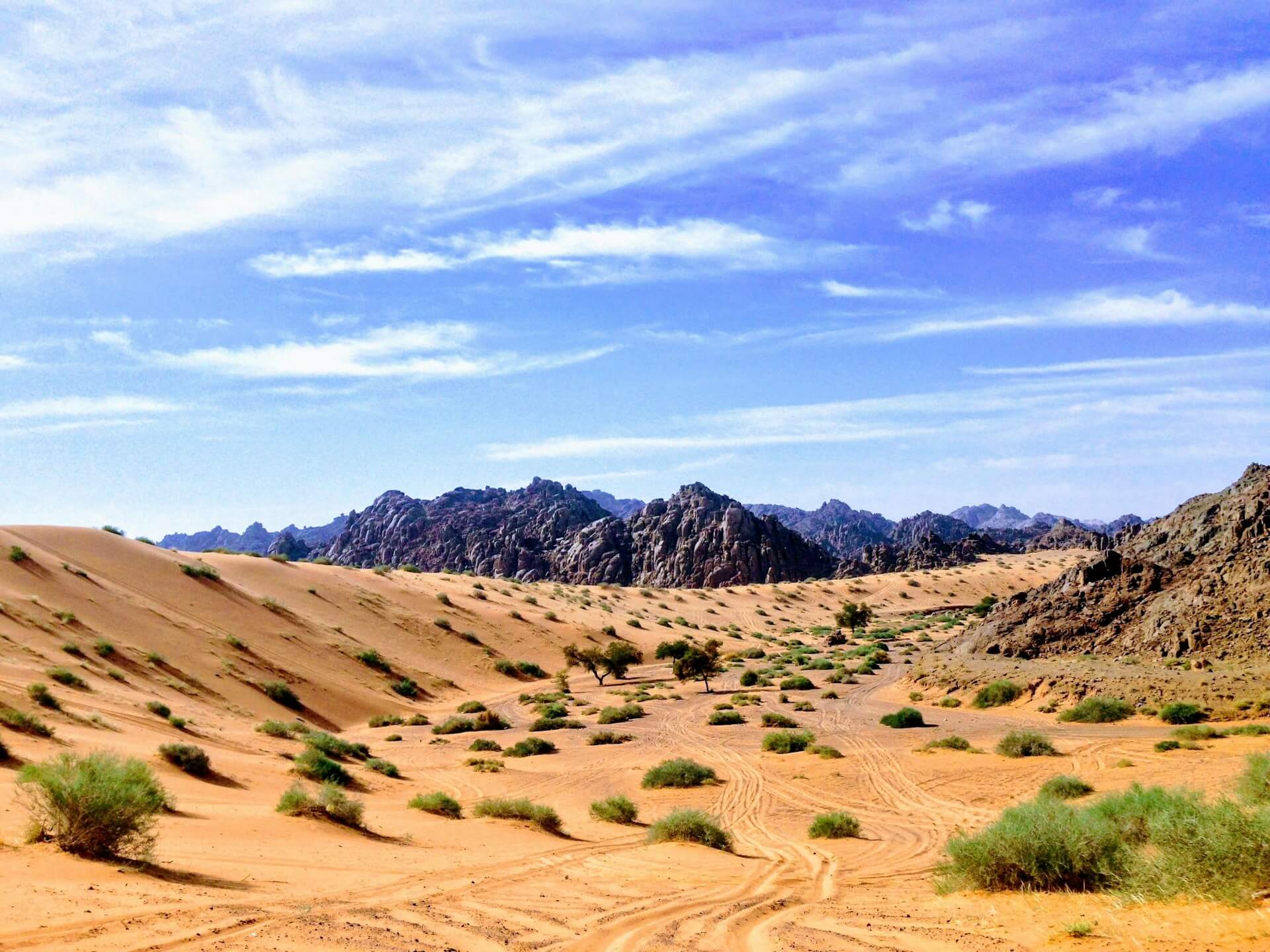
During the planning of a luxury resort in one of Neom’s valleys, experts discovered a rare plant species that grows only in that mountainous area and had never been documented elsewhere in the world. This placed the team in a difficult position: proceed with the massive investment project or protect this unique plant.
As recounted by Prince Abdulaziz bin Turki Al-Faisal, Saudi Minister of Sports, on the program "Hikayat Waad" on MBC, the Crown Prince immediately ordered the project to be relocated and the original site to be turned into a natural reserve to protect the plant. The species was officially registered under the name "Neom", honoring the project that sacrificed financial gains for environmental preservation.
Neom adopts a unique environmental philosophy, aiming to dedicate 95% of its land as protected natural reserves, making it a model for sustainable development that balances urbanization and nature conservation. Key initiatives include:
The Neom plant story is not the only example of Saudi leadership’s environmental dedication. Bandar Al-Khorayef, Minister of Industry and Mineral Resources, shared another instance where the Crown Prince rejected a mining investment in a protected area, humorously remarking:
"Did you search the entire country and only find this spot?"
This led to a revision of Saudi Arabia’s investment map to exclude protected zones.
The story of the rare Neom plant is not just an isolated event but a powerful statement from Saudi Arabia that true development does not come at nature’s expense. While other nations prioritize short-term economic gains over the environment, the Kingdom sets a global example in combining economic growth with ecological sustainability, reinforcing its role as a pioneer in protecting the planet for future generations.
March 23, 2025
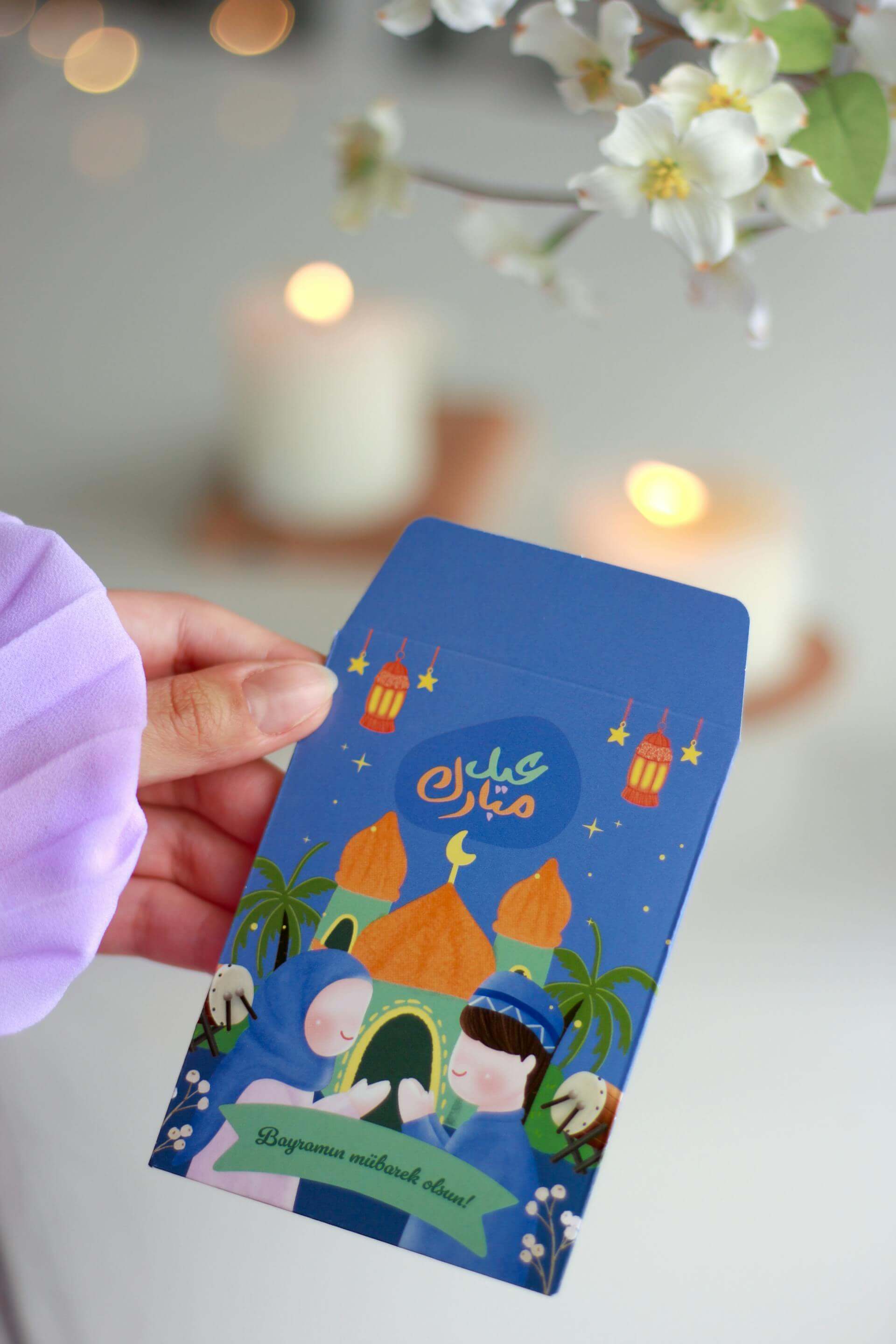
Eid al-Fitr is a joyous religious and social occasion that marks the end of the holy month of Ramadan. Families and friends come together to celebrate, and Saudi Arabia stands out as a prime tourist destination during this time. With its diverse attractions ranging from historical sites to natural wonders and entertainment hubs, the Kingdom offers an unforgettable holiday experience. In this article, we’ll explore the best tourist destinations and activities to enjoy during Eid al-Fitr 2025.
As the capital of Saudi Arabia, Riyadh is a city that blends modernity with tradition. It boasts a variety of tourist attractions, including:
A breathtaking natural wonder offering stunning views from the top of the Tuwaiq Escarpment.
A historic castle dating back to the 19th century, symbolizing the unification of the Kingdom.
A skyscraper featuring a luxury shopping mall, fine dining restaurants, and panoramic city views.
A must-visit for history enthusiasts, showcasing Saudi Arabia’s rich heritage from ancient times to the modern era.
Known for its stunning beaches and rich culture, Jeddah is a perfect destination for Eid celebrations:
A mosque that appears to float on the Red Sea, offering a serene and picturesque setting.
A family-friendly waterfront with restaurants, cafes, and recreational activities.
A UNESCO World Heritage Site featuring traditional houses adorned with intricate wooden balconies (Mashrabiyas).
AlUla is one of Saudi Arabia’s most iconic destinations, combining ancient history with breathtaking landscapes:
An archaeological site with Nabatean tombs carved into rock formations.
A tranquil retreat surrounded by palm trees and natural springs.
A unique rock formation resembling an elephant, perfect for photography.
Abha’s mild climate and stunning scenery make it a favorite for nature lovers:
The highest peak in Saudi Arabia, offering mesmerizing views of mist-covered mountains.
A heritage village showcasing traditional architecture and local crafts.
A family-friendly park with recreational activities and scenic walking trails.
Located off the coast of Jazan, the Farasan Islands are a haven for beach and marine enthusiasts:
Al-Ahsa is renowned for its lush palm groves and rich history, recognized as a UNESCO World Heritage Site:
The largest palm oasis in the world, home to over 2.5 million palm trees.
Natural caves formed by erosion, perfect for exploration.
A traditional market offering local products and handicrafts.
Tabuk, in the north of Saudi Arabia, is known for its historical and natural attractions:
Dammam is famous for its beaches and modern shopping centers:
An artificial island with a zoo, amusement park, and family-friendly activities.
A waterfront area ideal for walking, cycling, and picnics.
One of the largest shopping centers in the region, featuring a variety of stores and restaurants.
Taif’s moderate climate and natural beauty make it a popular destination for families:
Umluj is known for its golden beaches and crystal-clear waters, making it a paradise for beach lovers:
In conclusion, Saudi Arabia is a comprehensive tourist destination offering diverse experiences for all tastes. Whether you’re seeking relaxation on pristine beaches, exploring ancient history, or embarking on natural adventures, Eid al-Fitr 2025 is the perfect opportunity to discover the treasures of the Kingdom. Plan your trip now and create unforgettable memories with your loved ones!
March 20, 2025
In a new step reflecting Saudi Arabia's commitment to achieving the goals of Vision 2030, the Ministry of Environment, Water, and Agriculture announced the launch of five major investment opportunities in the agricultural sector in the Al-Baha region. These opportunities, announced through the "Furas" platform, aim to enhance self-sufficiency in agricultural products, increase local production, support food security, and attract both local and international investments.
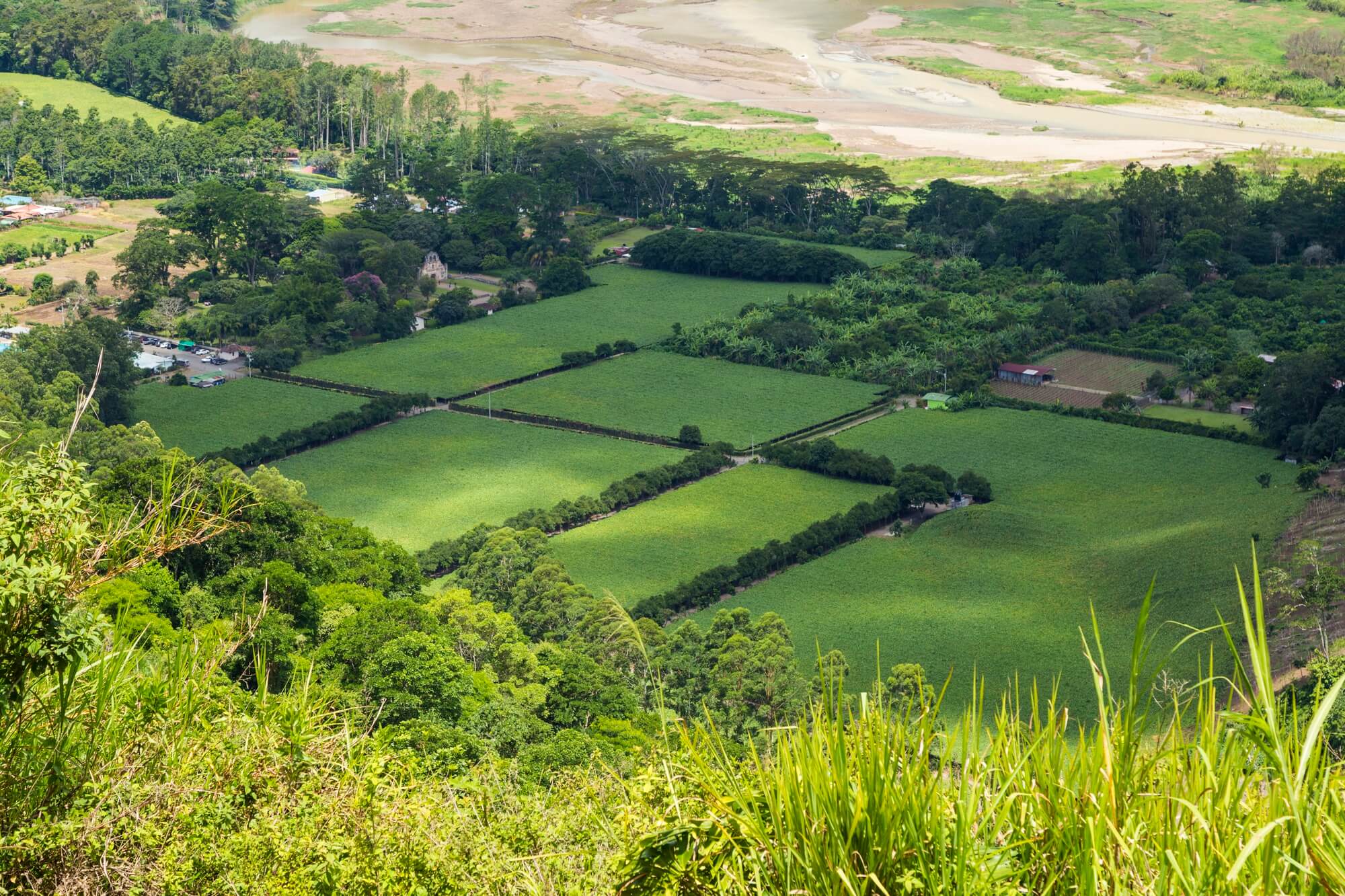
The opportunities include the establishment of an integrated agricultural city dedicated to cultivating prickly pear (cactus fruit), as well as four agricultural cities specialized in growing coffee (Arabica) trees. According to the ministry's statement, over 2.2 million square meters will be allocated for the prickly pear agricultural city, while the coffee cultivation cities will span more than 2.3 million square meters in the Baljurashi governorate of the Al-Baha region, which boasts an ideal climate and environment for these high-quality crops.
Through these projects, the Kingdom aims to achieve several strategic goals, including:
This initiative aligns with the Kingdom's efforts to diversify income sources and reduce dependence on oil, with the agricultural sector being one of the key pillars for achieving this goal. These projects also reflect Saudi Arabia's commitment to sustainable economic development and strengthening its position as a regional hub for agricultural investment.
These investment opportunities represent a significant step towards enhancing the agricultural sector in Saudi Arabia, contributing to food security and supporting the national economy. Through these projects, Saudi Arabia demonstrates its commitment to achieving Vision 2030 by diversifying the economy and creating promising investment opportunities. This move not only supports the agricultural sector but also reinforces the Kingdom's position as a leading investment destination in the region.