
Blogs
November 8, 2023
Saudi Arabia Government Property Development:
Governmental real estate development in Saudi Arabia is one of the key objectives of Saudi Vision 2030 infrastructure development; it is a plan aimed at achieving sustainable development and diversifying the kingdom's economy. The focus of governmental real estate development in Saudi Arabia extends to several areas, including infrastructure, public services, smart cities, tourism, entertainment, commerce, and investment.
The goal of governmental efforts is to develop and enhance the infrastructure in Saudi Arabia, including roads, transportation, and public facilities. This includes providing a sustainable and attractive environment for investment, in addition to enhancing the benefit of AI and automation in Saudi government real estate in order to improve the efficiency of government services and facilitate administrative processes.
Technological innovations in Saudi government properties also encompass the creation of smart cities in Saudi Arabia, that rely on modern technologies, providing a perfect living environment for citizens. Moreover, there are smart government initiatives in the Kingdom aimed at enhancing government services and improving their interaction with citizens and residents.
Saudi Arabia smart government initiatives:
Saudi Arabia adopts smart government initiatives to enhance government services and improve their interaction with citizens and residents. These initiatives aim to enhance efficiency and transparency, as well as saving time and effort for the beneficiaries of these services, including:
● Absher Platform: One of the prominent smart government initiatives in Saudi Arabia, the platform provides diverse services for citizens and residents, such as residency renewals, electronic payment for traffic violations, and other services.
● E-Government: Through this initiative, various government services are provided online, including requests for official documents, in addition to complaints and feedback submissions.
● Electronic Payments and Bank Transfers: Promoting the use of electronic payments and bank transfers in government transactions.
● Electronic Communication and Social Media: Engaging with citizens and residents through smartphone applications that provide government information, and important updates.
Smart Cities in Saudi Arabia:
Saudi Arabia is working on developing a range of smart cities as a part of Vision 2030 initiative, aiming to achieve sustainable development and enhance the quality of life for its citizens. Some prominent examples of these cities include:
● NEOM City: NEOM is one of the world's largest mega-projects, aiming to create a smart and sustainable city; it is located on the northwest coast of the kingdom. NEOM's vision involves utilizing advanced technologies, such as artificial intelligence, robots, and smart city automation to provide a modern and sustainable environment.
● King Abdullah Economic City: It is one of the largest smart cities worldwide, located on the Red Sea coast. This city aims to provide an integrated work and living environment by relying on digital technology and smart innovations in various fields.
● Riyadh Smart City: The Riyadh Smart initiative aims to transform Riyadh into an advanced smart city by implementing diverse technological projects, including a smart public transportation system and e-government services.
Digital transformation in Saudi government properties:
Digital transformation in Saudi governmental real estate is a crucial part of the government's efforts to enhance the efficiency and quality of services. This transformation involves utilizing digital innovations and technology to transform traditional processes into electronic and automated operations. Key aspects of this transformation include:
● Electronic Management System: This technology is considered one of the methods of Saudi Arabia government property development, as the Saudi government relies on electronic management systems to simplify and speed up the governmental real estate management processes.
● Digital Documents: It is technological innovation in Saudi government properties where documents are converted from traditional formats to electronic formats. It makes it easier to save, retrieve and share documents efficiently.
● Electronic Portals: Innovations in Saudi governmental real estate include specialized electronic portals that allow citizens and companies to access information, submit applications, and conduct transactions online. This provides convenience and speed in dealings, reducing the need for in-person visits.
These are just a few examples of Saudi Arabia government property development and certainly there are a lot more.
Innovations and Technologies Used in the Development of Governmental Real Estate in Saudi Arabia:
Governmental real estate development in Saudi Arabia is witnessing wide, continuous, and sustainable progress, utilizing a diverse range of innovations and technologies. Here are some examples of technological innovations in Saudi governmental properties:
● Smart Technologies and Intelligent Operations: These are innovations in Saudi government properties where smart technologies like automated control are utilized to enhance energy efficiency and facility management in government buildings.
● Renewable Energy: One of the key technologies in the development of government real estate is the implementation of renewable energy projects in government-owned properties, such as installing solar panels to generate sustainable electricity. This contributes to reducing overall energy consumption and achieves environmental sustainability.
● Sustainable Environmental Design: Environmental design is classified as one of the most important elements related to sustainable architecture in Saudi government buildings. This concept aims to achieve sustainability in resource usage, consequently reducing the environmental impact of government buildings. This includes the use of sustainable building materials, water management systems, waste management, and more.
● Virtual Reality and Virtual Visits: These are technologies used in the development of government properties in KSA. These technologies enable users to explore and visualize buildings and facilities virtually before the actual construction process, which helps in improving designs and making better decisions regarding the property.
● Smartphone Applications and portable Technology: Mobile applications and portable technologies play a critical role in the digital transformation in Saudi government properties. They enhance the user experience by facilitating access to essential government services related to real estate, such as online reservations, electronic transactions, and seamless communication with stakeholders.
These are just some of the innovations and technologies used in the development of government properties in Saudi Arabia. Certainly, more technical innovations are employed in Saudi government properties to enhance performance and improve efficiency in managing and operating these properties, including:
● AI-based automation systems.
● Big data analytics and artificial intelligence.
● Cloud computing and virtual storage.
The future of government real estate development in Saudi Arabia is highly promising due to the potential future trends of enhancing technology, innovation, sustainable development, and infrastructure improvement. Saudi Arabia government properties are expected to benefit from technological advancements and innovations in various fields, aiming to achieve development goals and enrich services provided to beneficiaries and users.
November 6, 2023
Sports Infrastructure, Its Definition, and Components:
We can define sports infrastructure as the physical facilities and equipment used for engaging in sports activities and sports in general. The primary goal of sports infrastructure is to provide safe and suitable spaces for training and sports competitions, promoting health and physical fitness.
Sports infrastructure projects include a variety of facilities and amenities, such as:
· Green areas and fitness parks.
· Stadiums and sports halls.
· Sports training centers.
· Running and walking tracks.
· Swimming pools.
Of course, sports infrastructure projects vary according to the needs and requirements of the community. Local governments, sports authorities, and private sports organizations can implement these projects.
Investments in sports infrastructure are strategic investments that contribute to improving the quality of life, enhancing social and economic development in communities, increasing property values, and building healthy and active communities.
However, what is the relationship between stadiums and real estate? How do sports facilities affect properties?
Sports Infrastructure and Property Development:
Prioritizing sports infrastructure is fundamental in modern real estate and urban development projects. Taking a closer look on the reasons behind this importance, here we highlight the reasons that constitute it:
● Increasing Attractiveness and Competitiveness of Properties: Sports infrastructure is considered a crucial element in attracting investors and buyers to real estate projects. For instance, when high-quality sports facilities are available in an area, it enhances the project's appeal and strengthens its competitiveness in the market.
● Improving Quality of Life: Integrated sports infrastructure contributes to improving the quality of life for residents. Active participation in sports and recreational activities within a community leads to a healthier and more active lifestyle, fostering interconnected communities.
● Boosting Property Value: Advanced sports infrastructure significantly affects the value of real estate. It contributes to a qualitative increase in property values and attracts buyers on a larger scale.
● Increasing Demand and Property Rentals: The presence of excellent sports infrastructure increases the demand for real estate in the region، as one of the consequences of the impact of sports facilities on property. Individuals seeking to live in communities that offer opportunities for sports and physical activities tend to rent or purchase properties in these locations.
● Promoting Sustainable Development: Sports infrastructure projects promote sustainable development for real estate and urban projects. By providing opportunities related to sports and physical activities, general public health can be improved, reducing reliance on private transportation, and supporting sustainable and healthy lifestyle.
In summary, sports infrastructure plays a crucial role in real estate development by increasing its value and attractiveness. The relationship between sports infrastructure and property development can be simplified as a vital element that ensures the success of real estate projects and leads to profitable investments in the real estate sector.
Stadiums and Real Estate:
Stadiums and real estate share a reciprocal and interrelated relationship. While sports stadiums are essentially specialized real estate entities, their influence on local properties and the market, along with the development of real estate neighboring the stadiums in nearby areas, is significant.
This relationship between stadiums and real estate can be summarized through the following points:
· Property Value: The value of real estate is affected when it is located near sports stadiums. The presence of a high-quality sports stadium is often considered an added value for the neighboring properties. For instance, commercial or residential properties located near a major sports stadium can achieve higher selling or rental prices compared to other areas.
· Area Attractiveness: Sports stadiums and sports complexes are key factors in attracting residents and investors to an area. These facilities often provide opportunities for sports and entertainment, reflecting social and cultural activity in the region. Consequently, the area becomes desirable for living and investment, leading to increased demand for properties. This, in turn, stimulates real estate development around the stadiums in general.
· Real Estate Development: Naturally, the impact of sports facilities on property is evident as the presence of sports arenas acts as a catalyst for real estate development. The existence of a major sports stadium can encourage the implementation of new and diverse real estate projects, such as hotels, restaurants, and shopping centers, to cater to the audience’s needs.
· Infrastructure Impact: The relation between real estate infrastructure and stadiums is crucial. The construction of sports stadiums necessitates suitable infrastructure, including roads, water systems, and sewage facilities. This requirement can lead to the improvement of public infrastructure in the surrounding area, providing better services for residents and visitors alike.
· The Economic Impact of Stadiums: Sports stadiums contribute to enhancing the economic activity in the region. As the audience and fans flock to the area during major sports events, this can lead to an increase in trade and business activity in the surrounding area of the stadiums. The demand for hotel services and restaurants also rises, promoting employment in the hospitality sector and sports-related services, as part of the economic impact of sports infrastructure in a given area.
In general, the impact of stadiums on real estate lies in enhancing property development in the surrounding areas. It increases property attractiveness near sports stadiums, improves public infrastructure, and boosts economic activity. Consequently, this impact can have a positive effect on the local economy and the quality of life in the surrounding communities.
Types of Sports-Related Real Estate Investments:
● Stadium-Related Real Estate Investment: This involves directing financial resources towards the development and improvement of sports facilities, including building and equipping stadiums with necessary amenities. These investments aim to create a suitable environment for sports activities, promote athletic engagement within the community, and enhance the comfort and safety for athletes and spectators. Such investments provide opportunities for promoting sports talents, boosting local sports, and creating a beneficial environment for training, competition, and skill development at all levels and ages. Economically, investing in stadiums can yield high financial returns through increased attendance and revenue generation from ticket sales and sponsorships.
● Real Estate Investment in Sports Areas: This process involves directing financial resources and efforts towards developing and improving properties associated with sports infrastructure. This includes constructing and equipping sports arenas, stadiums, and fitness facilities. Investing in real estate in sports areas presents an opportunity to boost sports tourism, attract events and sports competitions, thereby stimulating the local economy.
Sports complexes and property value:
The connection between sports complexes and property value lies in their ability to attract residents and investors and enhance social and community engagement in the local areas where these complexes are located. The presence of sports complexes in a real estate area leads to two main outcomes:
· In the short term, it increases the property value in the existing area where the complexes are situated.
· In the long term, it contributes to the development of the area and increases the influx of visitors who come to these complexes, creating a form of indirect promotion that attracts investors to these regions.
Therefore, sports complexes and property value are closely related in terms of profitability and promotion.
In conclusion, the impact of sports facilities on property has a significant positive influence, both on communities and real estate development. Constructing high-quality sports facilities enhances the attractiveness of the surrounding areas and increases the demand for properties in these regions. Additionally, improving infrastructure and providing diverse sports facilities can promote real estate development and reflect the spirit of activity and vitality within the community. Therefore, investing in real estate infrastructure, stadiums, or sports facilities in general is a highly important and rewarding investment opportunity that combines economic and social benefits for local communities.
November 5, 2023
What are smart cities?
Smart cities in Riyadh aim to utilize modern technology and innovative solutions to enhance the quality of life, promote sustainability, and optimize the use of available resources. Smart cities rely on Information and Communication Technology (ICT) to provide innovative solutions in various sectors, such as transportation, infrastructure, energy, healthcare, and education.
Riyadh Smart City Initiatives:
Since the beginning of 2022, Riyadh Region Municipality has announced the launch of eight initiatives as part of the Riyadh Smart City project, aimed at digital development to enhance the city's international competitiveness. This is in line with Riyadh's Vision 2030 for smart cities. Also, Riyadh has achieved the fourth global rank in the field of technology and its applications among 190 countries worldwide. These initiatives aim to develop a comprehensive modernization by deploying communication and information services and applying them within Saudi society, supporting the transition to a digital economy and a knowledge-based society in order to provide advanced and smart infrastructure in all fields, where services and appropriate content are efficiently and electronically available.
Riyadh Digital Transformation initiative:
This initiative refers to the efforts made by the private sector and the government to apply digital technology in various aspects of life in Riyadh. The aim of this initiative is to enhance the technological capabilities of the Riyadh Municipality, increase its efficiency and quality, and facilitate social, commercial, and governmental services through the use of digital technologies.
Aspects of digital transformation that can be mentioned include:
Riyadh E-Government Services: This refers to the conversion of government services into an electronic system with the aim of making them more accessible to citizens and residents of the city..
There are several initiatives and technological applications that help achieve this goal, including:
● E-Government: The Riyadh e-government provides online government services, allowing citizens and residents to easily complete transactions, such as ID renewal and work permits at any time.
● Smart Applications: The government provides various dedicated applications for government services, such as electronic payment applications and direct communication applications with government entities.
● E-gates: These gates serve as a central interface for accessing government information and services, making it easier for citizens to find the desired information and services efficiently.
Riyadh Smart Transportation Solutions: Aiming at improving the public transportation and reducing traffic jam, here are some solutions being implemented:
● Smart Transportation Applications: These smartphone applications provide real-time schedules for buses, metro, trains, and other public transportation means. They also offer electronic payment options for tickets, along with allowing users to submit their complaints, comments and to provide their feedback.
● Smart Buses: Buses are equipped with modern technologies, such as GPS and tracking systems, making it easier for users to know bus schedules and their respective stops.
● Car sharing: Encouraging carpooling through ride-sharing applications and boosting the use of smart cars aim to reduce the number of cars used and their emission, thus decreasing their negative effect on the environment.
● Public Bike Network: A public bike network has been developed in Riyadh, allowing users to rent smart bikes from designated stations and use them as a means of transportation.
Digital Healthcare: This term refers to the use of technology to improve and facilitate the delivery of healthcare services in an innovative and efficient manner.
Digital healthcare involves several aspects, including:
● Electronic Health Records: These records allow the secure recording, storing, and sharing of patients' health information, enabling quick and convenient access to it when needed.
● Telemedicine: Telemedicine enables online communication with healthcare providers through dedicated applications for consultations, diagnoses, treatment of minor illnesses, and non-urgent conditions. Communication can be conducted via voice, video, or text messages.
● Health Apps: These apps contribute to promoting health awareness and public health. They provide a range of diverse services, such as health monitoring and medication management.
Riyadh Smart Energy Management: It is a part of the digital transformation and a component of Riyadh Smart Infrastructure. It aims to improve energy efficiency and reduce the environmental impact associated with energy consumption. Smart energy management utilizes technology and data to monitor and analyze energy consumption and apply effective measures for performance improvement through:
● Riyadh Smart Grid Systems: These grids utilize smart control and monitoring systems to enhance electricity distribution and manage the electrical network more efficiently and intelligently.
● Smart Meters: These meters provide accurate measurements of energy consumption and continuously transmit the data. They are connected to the electrical grid, allowing consumers and service providers to monitor consumption and analyze the data for better decision-making in energy management.
● Smart Load Management: These systems monitor and control the energy consumption of household and commercial appliances. They enable intelligent regulation of usage to achieve energy savings and alleviate congestion in energy demand.
Riyadh Smart Environmental Sustainability Initiatives:
Prince Mohammed bin Salman bin Abdulaziz Al Saud launched the Riyadh Sustainability Strategy on October 23, 2021, with the aim of transforming Riyadh into one of the most sustainable cities worldwide. This strategy includes more than 68 initiatives divided into six sectors, which are:
Natural Resource Management: This sector includes a number of initiatives, including:
● Protection and development of natural life areas.
● Protection and regulation of agricultural land use.
● Vegetation restoration in Riyadh region.
● Conservation of protected areas in Wadi Hanifa.
● Environmental rehabilitation of Wadi Al-Sulai, Wadi Hanifa, and their rivers.
Waste Management: Waste is a significant environmental issue that affects almost every society. In Riyadh, several initiatives have been organized to address waste management, including:
● Regulating waste disposal in public areas.
● Managing construction and excavation waste.
● Handling hazardous industrial waste.
● Managing Asbestos materials.
Environmental Management and Sustainable Development: This sector includes numerous initiatives due to its significant importance. Here are a few examples:
● Regulating and controlling unplanned activities in Riyadh.
● Applying environmental compliance standards for power generating stations.
● Applying environmental sustainability standards and measuring their indicators.
● Conducting environmental impact assessments for projects.
Climate Change: This sector is supported by initiatives aimed at energy consumption optimization. Additionally, there is an initiative to assess the impacts of climate change on Riyadh and a study of greenhouse gas emissions (GHG).
Air Quality: Air quality is being prioritized through the following measures:
● Monitoring emissions from power generating stations.
● Controlling and treating sources of air pollution.
● Studying the health effects of air pollutants.
Water and Soil Resources: Water and soil resources are given significant attention, and several initiatives have been dedicated to their management. The key initiatives include:
● Utilizing surface water and rainwater.
● Controlling groundwater levels.
● Reusing treated wastewater.
● Managing and treating sewage water.
● Preserving and maintaining drinking water sources and its quality.
The Role of Artificial Intelligence in Smart City Initiatives
In smart city initiatives, it is undeniable that artificial intelligence (AI) plays a crucial role. Smart cities, by their nature, rely on information and communication technology to improve the quality of life and provide the best services to their citizens. AI has previously been used in public supervision to monitor visual distortions through aerial photography, and to tackle the improper disposal of construction waste in neighborhoods. AI can be utilized in various sectors, such as smart traffic management and intelligent medical diagnosis, where the analyses it performs can be beneficial in various fields.
Finally, there is a dedicated and continuous effort to transform Riyadh into a smart city by the year 2030. Riyadh Municipality has taken initiatives to increase the number of beneficiaries from its electronic services by 53%. Additionally, it has worked towards supporting urban development in the city by applying data-driven investment models, such as launching the "Ideas Platform" for residents. This ongoing effort demonstrates Riyadh as a leading example locally, regionally, and globally in keeping up with development and utilizing contemporary technology in a positive manner across all aspects of life, aiming to elevate cities towards a better future.
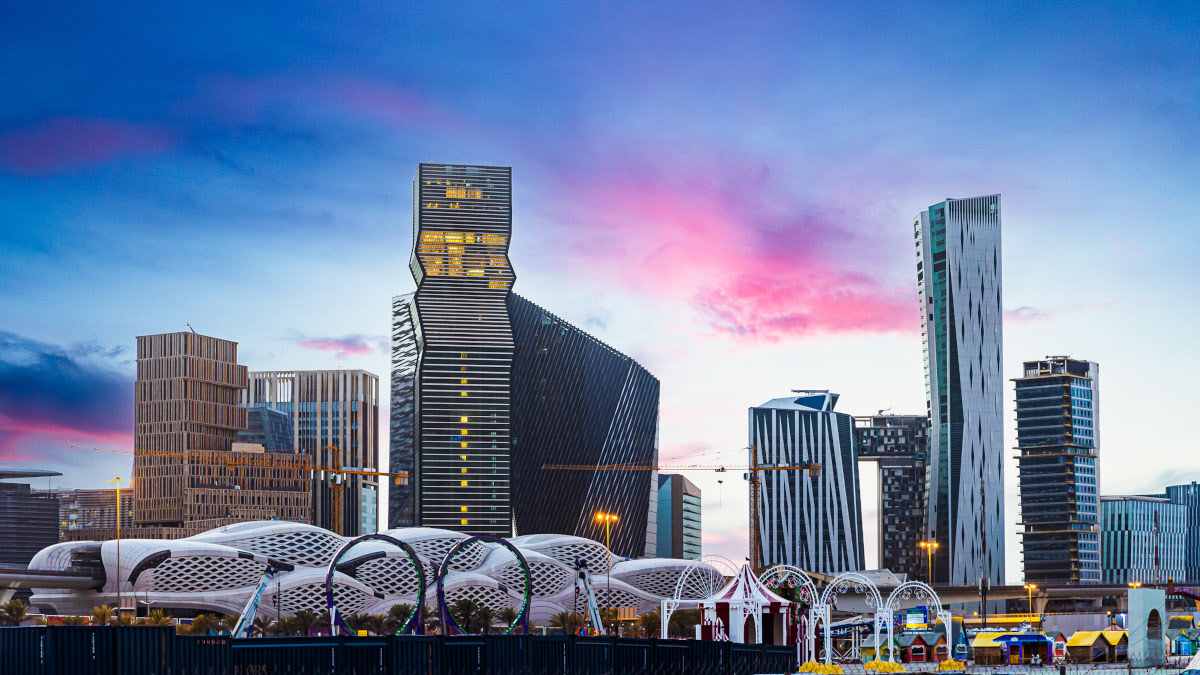
November 2, 2023
The Growth of Medical Tourism in the City and the Real Estate Developments Aimed at Accommodating Medical Travelers
What is medical tourism and healthcare tourism?
Medical tourism refers to traveling from one country to another to receive high-quality medical services. This type of tourism is common in various medical fields, such as cosmetic surgery, hair transplantation, rejuvenation, and others, which are basically considered non-essential medical services. On the other hand, healthcare tourism refers to people traveling to receive necessary medical services and treatments for their health conditions, which may not be available in their own countries.
What are the reasons that motivate people to engage in medical tourism?
● Seeking high quality healthcare.
● Cost savings, sometimes treatment costs are much cheaper in certain countries.
● Obtaining medical services quickly.
Healthcare Tourism in Riyadh:
Riyadh is a renowned destination for healthcare tourism. The Kingdom aims to be at the forefront of countries that attract people from around the world for medical tourism purposes. This is evident through the progressive plans aimed at improving real estate investments for healthcare tourism, besides promoting the growth of medical tourism and healthcare tourism in Riyadh, and throughout the Kingdom of Saudi Arabia as a whole.
A wide range of healthcare hospitality centers and healthcare real estate are available in Riyadh, such as high-quality medical facilities that provide specialized medical services in various fields. The healthcare sector in Riyadh is characterized by modern medical hosting facilities, in addition to advanced health technologies, along with a specialized medical staff.
The Growth of Medical Tourism in Riyadh and Saudi Arabia:
The Kingdom aims to diversify its sources of national income, establishing its economy on multiple pillars. This has placed healthcare tourism at the forefront of its choices. Due to the Kingdom's significant advancements in the field of medical tourism, efforts are being made to encourage both local and foreign investors to capitalize in the healthcare sector by constructing hospitals and large healthcare centers equipped with state-of-the-art facilities, and finest medical staff from Arab and foreign nationalities. The healthcare sector in the Kingdom is the largest compared to other healthcare sectors in the Middle Eastern countries, with healthcare spending exceeding 150 billion Saudi Riyals, equivalent to 40 billion US dollars. Additionally, the Ministry has announced about 19 health projects, some of which have been completed, while others are still under construction.
Examples of Medical Facilities in Riyadh and Saudi Arabia:
● King Faisal Specialist Hospital: It is considered one of the best hospitals for medical travelers in the Kingdom. It ranks 76th among the top hospitals in the world, in addition to the free treatment it provides. This hospital is known for organ transplantation, cancer treatment, heart diseases, as well as genetic and neurological disorders.
● King Fahad Medical City: King Fahad Medical City is an integrated medical town that significantly contributes to the medical tourism growth in Riyadh. It serves as a role model for the development of real estate for medical tourism. It is one of the largest medical hospitality projects in the Kingdom and one of the largest medical complexes in the Middle East, representing the rapid advancements of Riyadh healthcare developments. Its ranking stands at 3140 worldwide.
The medical city comprises four hospitals: the general hospital, the specialized Gynecology hospital, obstetrics hospital and children's hospital. It has a capacity of approximately 1,200 beds. Annually, the medical city receives over 30,000 inpatient admissions and 500,000 outpatients. It also includes four medical centers: Diabetes Center, King Salman Center for Heart Diseases and Surgery, Oncology and Endocrine Center, and Neurosciences Center.
● Sulaiman Al Habib Hospital: It is one of the hospitals that support medical tourism in Riyadh and contribute to the growth of medical tourism. It is globally ranked at 5569, and it is one of the private hospitals in Riyadh. This medical group consists of several health centers, spread across three countries: Bahrain, the United Arab Emirates, and Saudi Arabia. The hospital is known for its highly skilled medical staff and medical tourism infrastructure, including modern equipment and advanced technological devices, making it the best in supporting medical tourism in Riyadh.
● Kingdom Hospital: It is one of the largest medical facilities in Riyadh, providing specialized medical services in various fields.
● Al-Mana Hospital: It is a leading center in the field of cosmetic treatment and surgery.
● Al Habib Medical Hospital: It is a specialized hospital in the treatment and surgery of eye diseases.
Developing Real Estate for Hosting Patients in Riyadh:
Developing real estate for patient accommodation in Riyadh is a promising and in-demand field in the current market. There is an increasing need to secure properties for patients in order to provide comfortable and suitable accommodation for those receiving treatments in hospitals and medical centers in Riyadh.
steps to be followed to develop real estates related to this purpose:
● Find a suitable location: It is important to choose a location close to medical centers and important facilities.
● Market analysis: Conduct a deep market analysis to identify the needs and potential competition in the area.
● Design and development of the building: Work with engineers and designers to develop healthcare properties that meet the patients' needs. This includes designing safe and comfortable rooms with essential amenities, such as comfortable beds and private bathrooms.
● Provide essential services: Such as seating areas, dining facilities, elevators, and internet access.
● Adhere to health and safety standards: It is important to comply with health standards to ensure patient safety. There must be regular monitoring and maintenance of the property in order to avoid any potential health or safety problems in the building.
● Offers and promotion: After completing the development of medical properties, it is necessary to promote them and make offers to medical institutions that are seeking properties for their visiting patients or providing accommodation for patients in general, in order to offer comfortable lodging for treatment in Riyadh.
Patient accommodation services in the properties can include the following:
● Rooms equipped with all necessary facilities and amenities for patients.
● Medical treatment facilities, such as physiotherapy rooms and examination rooms.
● Kitchens and restaurants that provide healthy meals for patients according to their special dietary needs.
● Entertainment and leisure centers.
● Medical transportation services.
● Specialized medical and nursing teams.
Developing real estate can be an opportunity to enhance the healthcare sector and promote Riyadh medical tourism, attracting patients from various regions to seek treatment. This, in turn, supports the local economy and promotes economic development.
Medical tourism is considered one of the most promising sectors in the Kingdom of Saudi Arabia. Due to its importance, the Saudi government has directed its attention towards expanding, developing, and investing in medical tourism to make it a key pillar for the KSA's economic growth.
October 31, 2023
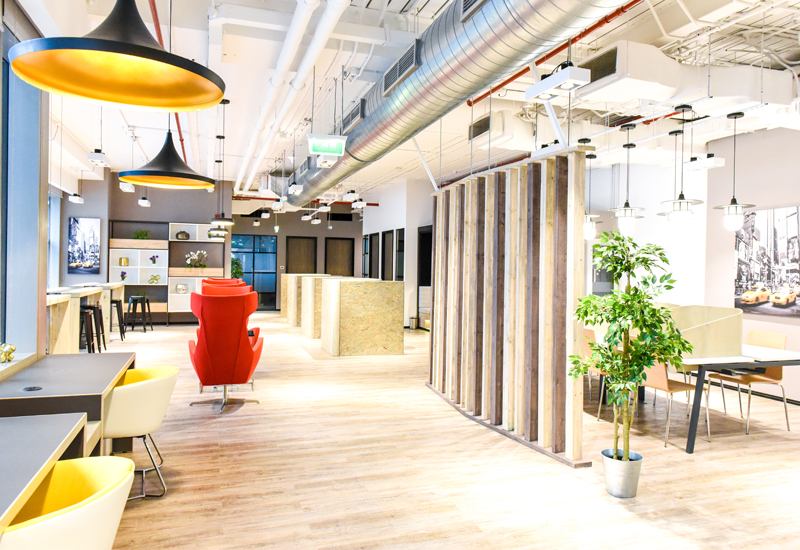
The Rise of Coworking Spaces in Riyadh and How They Are Changing the Way People Work and Interact in the City
Shared workspaces in the city have been on the rise worldwide, including in cities like Riyadh, Saudi Arabia. This trend reflects changes in the way people work and interact in urban environments. Here's an investigation into the rise of Riyadh coworking industry and their impact on the city's working culture and community dynamics:
1. Economic and Technological Factors: Riyadh, as the capital of Saudi Arabia, has been witnessing economic diversification and modernization efforts. The city has seen a surge in startups, entrepreneurs, and small businesses, driven by technological advancements and government initiatives like Vision 2030. These economic changes have created a demand for flexible office solutions in Saudi Arabia.
2. Entrepreneurship and Innovation: Shared workspaces in the city cater to the needs of entrepreneurs, freelancers, and small to medium-sized businesses. They provide a platform for innovation and collaboration, making Riyadh more attractive for businesses looking to foster creativity and growth. Traditional 9-to-5 work schedules are giving way to more flexible arrangements. Coworking spaces in Riyadh offer a range of options, including hot desks, dedicated desks, and private offices, which allow professionals to choose the environment that suits their needs.
3. Community Building: Riyadh coworking industry often emphasizes community building. Such shared workspaces in the city host events, workshops, and networking opportunities that help individuals connect, learn, and grow. These interactions have the potential to spur innovation and create a sense of community that contributes to a vibrant professional ecosystem.
4. Cost-Effective Solutions: Traditional office spaces can be expensive to rent and maintain. On the other hand, flexible office solutions in Saudi Arabia offer cost-effective alternatives with flexible pricing models. This enables businesses to operate without the long-term commitment and financial burden associated with traditional leases, while also not being concerned about the overhead costs of maintaining a dedicated office.
5. Diversity and Inclusivity: Flexible office solutions in Saudi Arabia are often more diverse and inclusive compared to traditional office environments as they attract a diverse tenant base. This base may vary to include people from various industries, backgrounds, and cultures, creating a dynamic and inclusive environment which promotes cross-pollination of ideas and perspectives.
6. Work-Life Balance: The flexible office solutions in Saudi Arabia allow people to strike a better work-life balance. Riyadh residents can find shared workspaces in the city that are closer to home, reducing commute times and stress.
7. Global and Local Players: Both international coworking giants and local players have entered the Riyadh coworking industry, offering a wide range of options to cater to different needs and preferences. Examples of these shared workspaces in the city include WeWork, Regus, and local providers like The Space.
8. Support for Remote Work: With the rise of remote work, coworking spaces in Riyadh have become valuable for employees who need a professional and productive environment away from home.
9. Changing Office Dynamics: The popularity of the shared workspaces in the city has also influenced how traditional office environments operate. Many corporations are now considering flexible office solutions in Saudi Arabia to adapt to the changing landscape of work.
10. Challenges and Regulation: The rapid growth of coworking spaces in Riyadh has also brought challenges in terms of regulation and competition. Local authorities are working to establish guidelines and standards for these shared workspaces in the city to ensure their legality and safety.
The rise of coworking spaces in Riyadh and the Flexible office solutions in Saudi Arabia in general, as in many other major cities around the world, has been a significant and transformative trend in the way people work and interact in the city. This trend is driven by various factors, including changes in work culture, entrepreneurship, and technology.
1. Future Investment:
- Support for Startups: Riyadh has been actively promoting entrepreneurship, and coworking spaces in Riyadh play a vital role in this ecosystem. Many shared workspaces in the city offer services, such as mentorship, funding opportunities, and access to a community of like-minded entrepreneurs. This support can be instrumental in the growth of startups.
- Incubators and Accelerators: Some coworking spaces in Riyadh house startup incubators and accelerators, providing an environment for early-stage companies to develop their ideas, access resources, and connect with potential investors.
2. Technological Advancements:
- High-Speed Internet: Shared workspaces in the city typically offer high-speed internet connections, allowing professionals to work efficiently and without interruptions. This is especially important for remote workers and digital nomads.
- Amenities: Many coworking spaces in Riyadh provide amenities such as printers, meeting rooms, kitchen facilities, and even relaxation areas. These services reduce the operational burden on individual businesses and contribute to a more productive work environment.
3. Changing Urban Landscape:
- Redefining Office Spaces: The proliferation of flexible office solutions in Saudi Arabia is changing the way the city's office spaces are designed. Real estate developers and landlords are recognizing the demand for flexible office solutions and are increasingly incorporating coworking spaces in Riyadh into their developments.
- Economic Impact: The rise of coworking spaces in Riyadh is not only altering the way people work but also contributing to the city's economy. It creates job opportunities and fosters innovation, making Riyadh more attractive to businesses and professionals.
In conclusion, the rise of Riyadh coworking industry reflects broader global trends in work culture and entrepreneurship. These spaces offer flexible, collaborative, and cost-effective solutions that cater to a diverse range of professionals. They are transforming the way people work and interact in the city by fostering innovation, supporting startups, and creating vibrant, dynamic communities. Coworking spaces in Riyadh have become an integral part of the city’s business ecosystem and urban landscape.
October 24, 2023
An overview of Riyadh city:
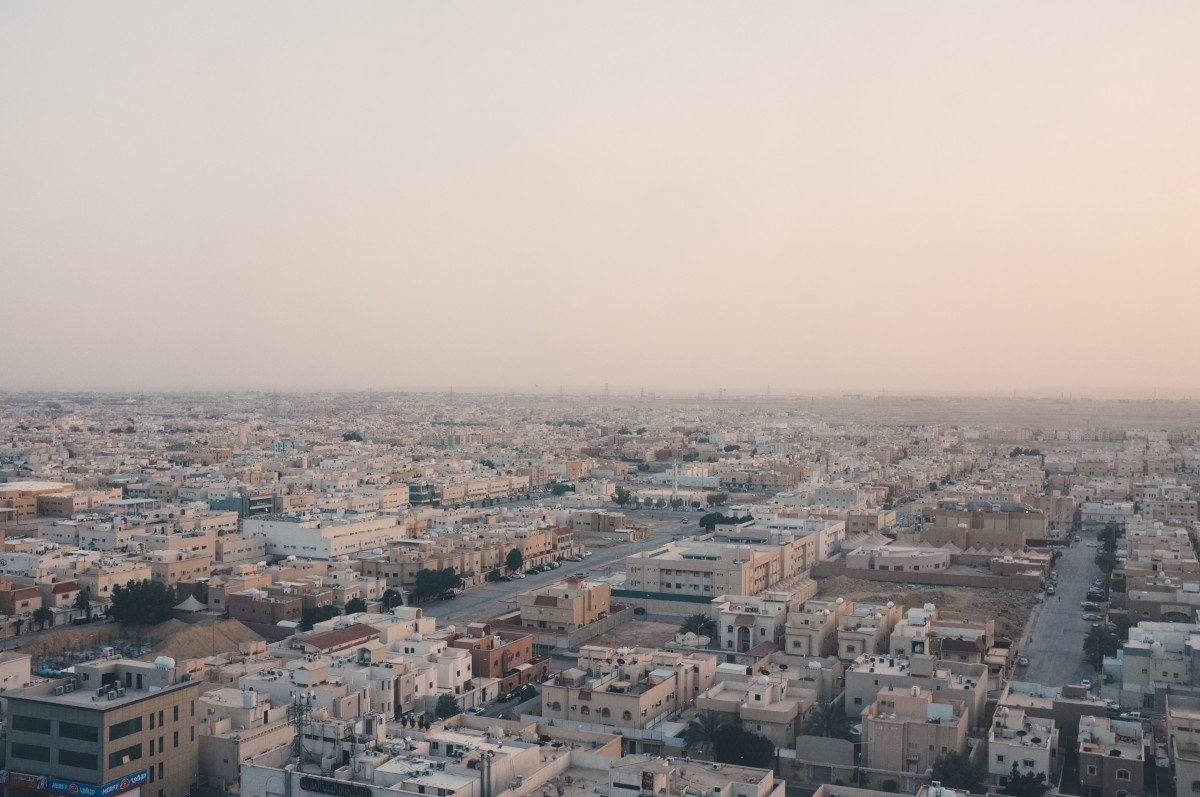
Riyadh is one of the administrative regions in the Kingdom of Saudi Arabia. It occupies a central location on the Arabian Peninsula, representing the largest portion of what geographers used to call Najd, divided into Lower and Upper Najd. It is situated in the heart of the Kingdom of Saudi Arabia. It is considered the second-largest city and the most populated area in KSA, with a population of approximately 8,591,748 according to the Saudi survey in 2022. The population density in the Riyadh region is estimated at around 5.1 person per square kilometer, while the average density in the kingdom is about 4.6 person per square kilometer. This necessitates the continuous supply of housing for these increasing numbers.
Affordable Housing Initiatives in Riyadh to Address Population Density in Riyadh:
Riyadh has numerous housing initiatives that aim to provide suitable housing for citizens in order to improve the quality of life in Riyadh. These include government housing programs in Riyadh, private housing programs, and public-private partnerships for housing in Riyadh. Here are some of the main housing initiatives in Riyadh:
● Housing Program: This program is considered one of the prominent housing initiatives in Riyadh. It aims to provide affordable housing units and offers solutions to support housing for low- and limited-income families in Riyadh. This program is part of the social housing program implemented by the Real Estate Development Fund in collaboration with the Ministry of Housing. The program relies on providing low-interest loans to adequate families as one of the housing financing options in Riyadh. The housing units are provided at reasonable prices based on the total project cost and offer a variety of unit sizes and designs. The Housing Program in Riyadh has announced around 15 housing projects, providing approximately 26,391 housing units.
These projects are distributed across several neighborhoods in Riyadh and are supervised by the Ministry of Housing in partnership with the private sector, collaborating with qualified real estate developers. High-quality housing units with diverse options and affordable prices ranging from 250,000 to 750,000 Saudi Riyals are provided. The program aims to increase the homeownership rate to 70% by 2030, and these projects are part of the efforts made to achieve this goal.
● Riyadh Residential Project: This project is one of the largest residential projects in the region. It aims to construct and develop residential complexes that include various public facilities, such as mosques, schools, and hospitals.
● Social Housing Project: This initiative aims to provide affordable housing solutions in Riyadh for low-income families. The initiative includes offering reasonably priced and discounted residential apartments along with facilitating access to housing financing programs in Riyadh. Various real estate units are provided through social housing programs, such as housing and sports units, as well as units designated for rent.
Financial support and facilities are provided to citizens for purchasing or renting these residential units, making this project one of the Affordable housing schemes in Riyadh.
● Urban Transformation Project: The goal of this project is to transform and develop random and marginalized areas in Riyadh by re-planning these areas, improving their infrastructure, and providing essential services. This aims at providing housing access for low-income families in Riyadh.
● Sustainable Neighborhoods Project: As part of the sustainable housing policies in Riyadh, this project aims, in collaboration with the private sector, to develop sustainable residential neighborhoods with smart building technologies, providing green spaces and promoting the use of renewable energy.
The value of real estate in Riyadh:
The value of properties in Riyadh varies based on several factors, such as location, size, and Riyadh housing supply and demand. Generally, classy neighborhoods and areas close to the city center tend to have higher prices compared to other areas.
Housing policies in Riyadh:
There are several policies and measures aimed at providing affordable housing in Riyadh. These include:
● Social Housing Program: The affordable housing solutions in Riyadh mentioned above.
● Allocation of Residential Lands: Allocating lands for residential development at reasonable prices aiming to provide more housing units.
● Rent Regulation: Through the enactment of laws and policies that set limits on rent increases, which help in maintaining reasonable rental prices and providing affordable rental housing options.
● Housing development incentives Riyadh: The Saudi government adopts policies aimed at encouraging investment in the real estate sector, such as providing facilities and simplified procedures to ease construction and real estate development. These motivations are meant to promote housing development projects in Riyadh, leading to an increased number of housing units, expanding the supply, and improving market competitiveness, ultimately leading to reduced prices.
● Real Estate Partnerships: They enhance partnerships between the public and private sectors to implement affordable housing projects. These partnerships involve providing residential lands, financing, designing, and construction.
Some of the housing development projects in Riyadh:
● The Residential Villas Project in Eastern Gate: It is one of the largest residential projects in Riyadh, offering approximately 7,000 villas with prices starting from 645,000 Saudi Riyals and monthly installments of 2,152 Riyals.
● Marsyah Project: It is one of the most important affordable housing projects in Riyadh. It is located in the north of Riyadh, and it covers a total area of over 2.7 million square meters. It offers approximately 5,600 housing units, including apartments and townhouses with modern designs. Prices start from 299,000 Saudi Riyals, with affordable monthly installments starting from 899 Riyals.
● Suhail Riyadh Project: The total area of the project is over 1.7 million square meters, and it includes 4,376 diverse housing units.
● Nabd Qiran Project: This project has a strategic location in the north of Riyadh, between Al-Ail Street and King Abdulaziz Road. It comprises 4,358 diverse modern residential units under construction.
● Ishraq Living Project: It provides 2,229 residential apartments spread over an area of more than 554,000 square meters, located in the north of Riyadh, west of King Khalid International Airport.
● Rabia Al-Sharq Project: It includes around 960 housing units.
● Diyar Saad Project: It is located on a total area estimated at 133,000 square meters and consists of 577 townhouse-type residential units.
Moreover, there are many other projects apart from the ones mentioned earlier.
In conclusion, due to the continuous population growth in Riyadh, whether Saudis or other nationalities, it has become necessary to find solutions to support housing for the city's residents. The Saudi government and its efficient administration have noticed this need and have provided solutions through the ready projects, ongoing projects, and future planned projects. By doing so, they guarantee a promising future for the capital and its inhabitants, while also providing comprehensive support to the real estate sector in all its aspects.
October 24, 2023
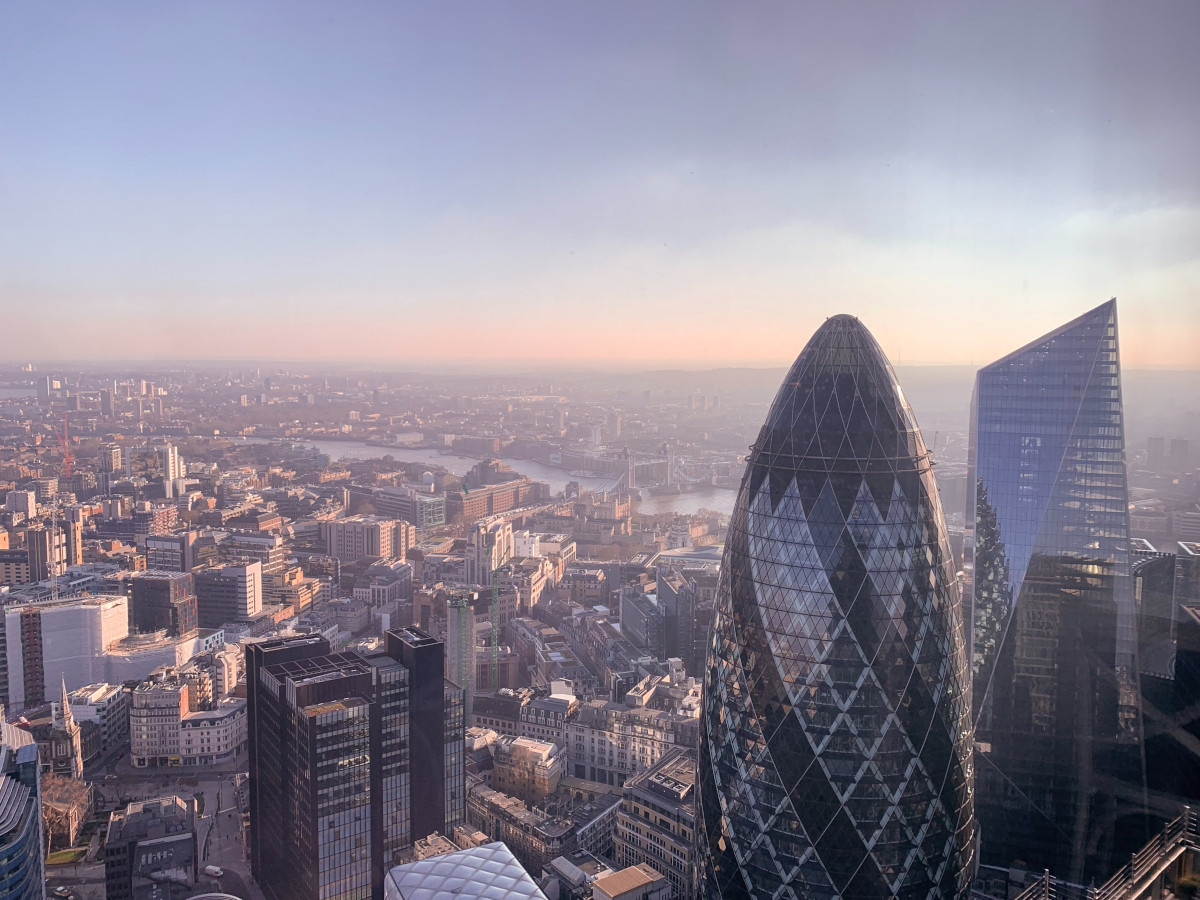
Riyadh has emerged as a highly prominent city for development and modernization in the Kingdom of Saudi Arabia in recent years. The impact of giga-projects on real estate investment in Riyadh is evident and clear in their contribution to the city's growth and the real estate sector in Riyadh.
Giga-projects in Riyadh:
Riyadh has numerous major projects aimed at enhancing infrastructure, increasing property value, and promoting economic and social development in the city. On March 19, 2019, King Salman bin Abdulaziz Al Saud announced four projects exceeding 86 billion Saudi Riyals, aimed at developing Riyadh, the capital of the Kingdom. Following this, many other projects have been initiated including:
★ King Salman Park Project: One of the four major projects in Riyadh, the park covers an area exceeding 16 square kilometers, making it one of the largest urban parks in the world. The park incorporates over one million trees, open spaces covering approximately 11.5 square kilometers, and a circular path measuring 7.2 kilometers in length. The park includes:
● The Royal Arts Complex: Its area exceeds 400,000 square meters and includes the National Theater, five closed theaters, an outdoor theater, and a cinema complex with three halls. It also hosts four arts academies and an educational center dedicated to developing children's talents.
● Cultural Facilities: It encompasses seven diverse museums and event spaces spread over an area of 40,000 square meters.
● Sports and Entertainment Facilities: These facilities have a significant impact on the sports economy and real estate. They include the Royal Golf Course, virtual reality place, a skydiving and hot air balloon center, an equestrian center, a running and cycling track, an entertainment gaming zone, a water park, and a family entertainment center.
● Public Facilities and Services: Such as mosques, security centers, healthcare and educational facilities, social centers, public libraries, and parking buildings.
● Residential and hotel facilities: These facilities can fall under the category of real estate investments in giga-projects in Riyadh, as they provide:
■ Residential complexes that offer approximately 12,000 diverse housing units.
■ 16 hotels with 2,300 hotel units considered to be luxurious accommodation options in the giga-projects in Riyadh.
■ Profitable spaces for restaurants, cafes, and retail sectors covering an area exceeding 500,000 square meters.
■ Office building complexes covering an area of 600,000 square meters.
● Riyadh Green Project: The objective of this project is to enhance the city's green spaces by increasing the per capita green space to 16 times its current size. By planting over 7 million trees across Riyadh, the project aims to achieve a total green space coverage of 9% in the city.
● Riyadh Art Project: This project aims to transform Riyadh into an open art exhibition that blends modernity with heritage.
● Sports Track Project: This project aims to encourage residents to adopt healthy mobility patterns and promote engagement in various sports, particularly walking, cycling, and horse riding. The project covers a distance of 135 kilometers and includes safe and tree-lined pedestrian paths, dedicated routes for both professional and amateur cyclists, as well as tracks for horse riding.
In addition to these projects, there are many others, such as the King Abdulaziz Public Transport Project in Riyadh and the King Salman Project, which is considered one of the urban development projects in Riyadh that focuses on infrastructure and real estate.
The Giga-projects in Riyadh and the Real Estate Market:
We can consider the giga-projects in Riyadh as one of the most important factors influencing the real estate sector and property trends in Riyadh. When a large project is announced, such as the development of a specific area or the construction of new facilities, it usually leads to an increase in supply and demand in the real estate market in Riyadh and affects its value. Here are some reflections of the giga- projects on the real estate sector in Riyadh:
● The impact of Giga-projects on property prices in Riyadh: The development of major projects contributes to increasing the value of existing properties in the surrounding areas. The demand for housing, offices, and commercial spaces increases, leading to price rises.
● Provision of public services: Giga-projects are likely to include plans for creating public facilities, such as hospitals, schools, and entertainment centers. This increases the real estate attractiveness of giga-projects in Riyadh for investors and residents, leading to increased demand for properties in those areas.
● Infrastructure: When a large project is developed, there is usually an improvement in the surrounding infrastructure. This includes expanding roads, securing and improving public transportation, as well as providing other services. It also enhances the overall attractiveness of the area and consequently increases the value of its properties.
● Investment opportunities: One of the changes in the real estate market in Riyadh is the increased investment opportunities based on giga-projects that attract investors to the real estate market in Riyadh. They can benefit from the increased demand for properties to achieve good financial returns.
● Economic effects: Giga- projects contribute to enhancing economic growth, creating job opportunities, and increasing income for the population. This can lead to increased demand for properties in the city, increasing, as such, the prices there.
● Real estate development: There may be transformations in the real estate market in Riyadh due to these giga- projects, which result in the construction of new residential and commercial projects. This increases the supply of properties and intensifies price competition.
● Available housing and real estate in Riyadh: Giga- projects may lead to providing diversity in the real estate availability in the city. New residential or commercial complexes may be built. As a result, this will create various opportunities for investors and tenants in Riyadh's real estate market.
● Increased demand for commercial properties: When analyzing the real estate market in Riyadh in light of giga- projects, we observe a relationship between these projects and transformations in the commercial real estate market in Riyadh. The application of giga- projects creates a desire among many business owners to invest in surrounding or neighboring areas of these projects, resulting in increased demand and higher prices for these commercial properties.
Attention must be paid to the fact that the relationship between giga-projects and the real estate market in Riyadh depends on other factors, such as location, urban planning, as well as supply and demand in the real estate market. Sometimes, the impact can be direct and immediate in certain areas, while it may be gradual and slow in others.
In conclusion, the future and growth of the real estate market in Riyadh are inevitable as a result of the ongoing development and modernization of the city, as well as the implementation of projects aligned with the Kingdom's Vision 2030 program. In fact, this association works to strengthen several sectors, most notably the real estate one, which is witnessing extraordinary growth and expansion as one of the associated effects of giga- projects, ensuring a bright future for this sector and its investors.
October 23, 2023
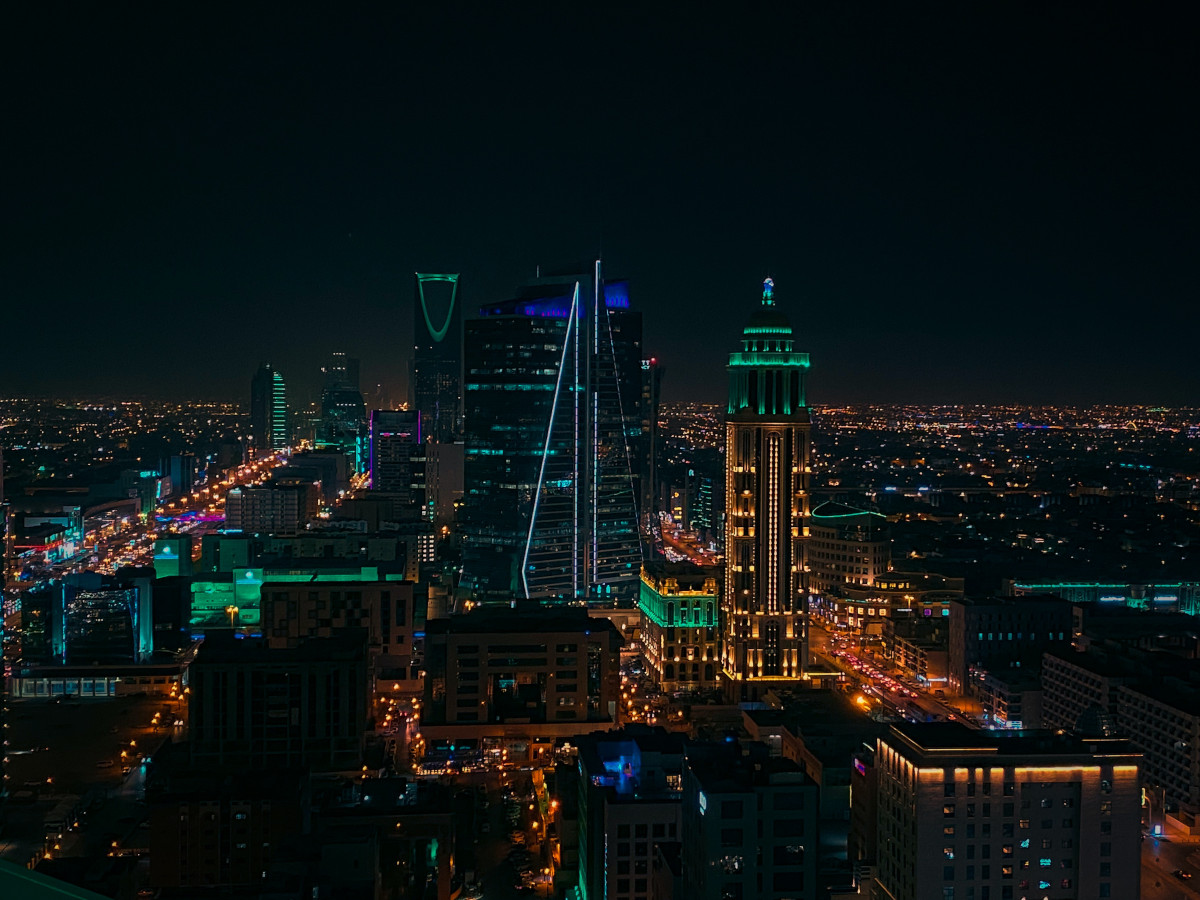
The Transformation of Riyadh's Skyline refers to the development, economic growth, and urbanization in Riyadh. The city has witnessed a significant transformation in various development aspects in recent years, particularly in the construction and real estate sectors. Several Saudi Arabia skyscraper projects have been constructed in general, and specifically in Riyadh, with the aim of enhancing the city's appearance and urban design, as well as meeting the increasing demand for vertical spaces to improve the quality of life in Riyadh.
Examples of Modern skyscrapers in Riyadh include:
Kingdom Tower: It is one of the prominent architectural landmarks in Riyadh. The project's cornerstone was laid in 1996, and it was completed in 2002. The tower consists of 41 floors above ground, reaching a height of approximately 300 meters, with a total area of around 94,000 square meters. The tower includes a hotel, a shopping center, offices, and a variety of international restaurants.
Al Faisaliah Tower: It is another iconic architectural innovation in Riyadh. Situated over a 55,000 square meter area, the tower has thirty floors and stands at a height of 267 meters. Construction of the tower began in 1997, and it was inaugurated in May 2000. This mixed-use tower comprises a luxury hotel, commercial centers, and offices.
Al Nakheel Tower: It is an example of modern architecture in Riyadh, characterized by its contemporary design. Also, it is one of the tallest five buildings in the city, reaching a height of around 200 meters. The tower consists of 26 floors above ground and 4 floors below ground. Construction of the project began in 2008 and was completed in 2011.
The impact of Skyscrapers on Riyadh's Economy
Skyscrapers play a significant role in enhancing economic development projects in Riyadh through several aspects:
● Real estate development and investment in Riyadh: The construction of skyscrapers requires massive investments in real estate and infrastructure projects in Riyadh. These investments, in turn, promote the city's economic growth and improve its economic environment. Skyscrapers encourage real estate development in Riyadh and its surrounding areas, providing more residential, commercial, and office units, which contributes to increasing and improving the supply and demand in the real estate market. They also provide solutions to address population growth challenges in Riyadh by ensuring the availability of these units.
● Tourist attraction in Riyadh: Skyscrapers play a significant role in tourism in Riyadh. The presence of such landmarks attracts tourists from within and outside the Kingdom, increasing tourism revenues and boosting the hospitality and entertainment sectors in the city. This stimulates the local economy in Riyadh as part of the transformation of Riyadh's Skyline and tourism revenues.
● Business and commerce in Riyadh: Skyscrapers provide large office and commercial spaces, which encourage companies to go into the investment in Riyadh's skyscraper projects field and establish their businesses there. These companies also create employment opportunities for the local population, thereby enhancing economic activity in Riyadh as a whole. Skyscrapers can also contribute to fostering business relationships and international partnerships, creating commercial opportunities in Riyadh's Skyscrapers by attracting companies and investors from around the world.
● Enhancing urban identity: The prominent presence of skyscrapers in Riyadh enhances the urban identity of the city and reflects its development and modernization. This, in turn, boosts the pride of the local residents and attracts investment to Riyadh through cultural and commercial activities and events in the city. It also contributes to a long-term appreciation of the architectural culture in Riyadh.
● Stimulating the service sector: The presence of skyscrapers significantly stimulates the service sector in Riyadh. These skyscrapers and towers, besides houses, contain many luxury hotels, restaurants, retail stores, and entertaining facilities that enhance commercial activity and increase the economic impact of Riyadh's modern buildings.
Job Creation through Skyscraper Projects
Building and operating skyscrapers require specialized skills in various fields, such as engineering and design. Local workers are employed, and their skills are developed through these projects, enhancing the practical capabilities of workers in Riyadh. Generating employment opportunities is one of the economic benefits of skyscraper construction in Riyadh, and these opportunities are created in several ways:
● Construction and Development: The urban innovation in Riyadh can be observed through the designs of skyscrapers and towers in the city, as their construction requires significant efforts. Consequently, a large number of workers, technicians, and specialized engineers are employed in these projects, including both local and foreign workers at times. This provides local employment opportunities and promotes the local economy.
● Maintenance and Management: The maintenance and management of skyscrapers require ongoing efforts and continuous management. Maintenance and management teams, including technicians, craftsmen, and administrators, are employed to ensure the safety and quality of the buildings and provide necessary services to residents or users, creating employment opportunities in the service sector.
● Service Sector: Since these skyscrapers accommodate a large number of offices and commercial facilities, these facilities may include restaurants, hotels, business lounges, and more. Operating and managing these facilities naturally require employing a significant number of workers in the service sector, such as waiters, chefs, and administrative staff.
● Related Businesses: Due to the presence of skyscrapers, economic activity is increased in the surrounding area of these projects. This leads to the growth of related businesses such as logistics, transportation, and trade, providing additional employment opportunities for the local population.
Additionally, the relationship between skyscrapers and economic growth in Riyadh can contribute to attracting more investments and businesses in various fields to the region, thereby increasing the available job opportunities.
Infrastructure Investments and Economic Growth in Riyadh
The construction of skyscrapers is associated with several modifications and improvements applied in the area where the project is located. One of the most prominent aspects is the investment in infrastructure and its development to achieve urban prosperity in Riyadh. These investments create a mutually beneficial relationship between skyscrapers and the surrounding areas through various aspects, including:
● Transportation: By expanding the city's transportation system, including the construction of new roads, bridges, and the development of public transportation systems.
● Public Infrastructure: This includes providing internet networks, electricity, hygiene systems, and working towards achieving environmental and urban sustainability in Riyadh within these projects.
● Public Facilities: Providing necessary public facilities for the residents, which create a suitable living environment and meet the needs of the local community, such as hospitals and schools.
Finally, the future of Riyadh's changing cityscape holds a lot of business expansion in Riyadh's new architectural landscape towards sustainability and intelligence. Skyscrapers are considered one of the elements of architectural transformation in Riyadh, which positively contributes to the economy and urban development of Riyadh, making it one of the most advanced and investment-friendly cities worldwide.
October 23, 2023
Riyadh's Themed Residential Neighborhoods in the Heart of Saudi Arabia
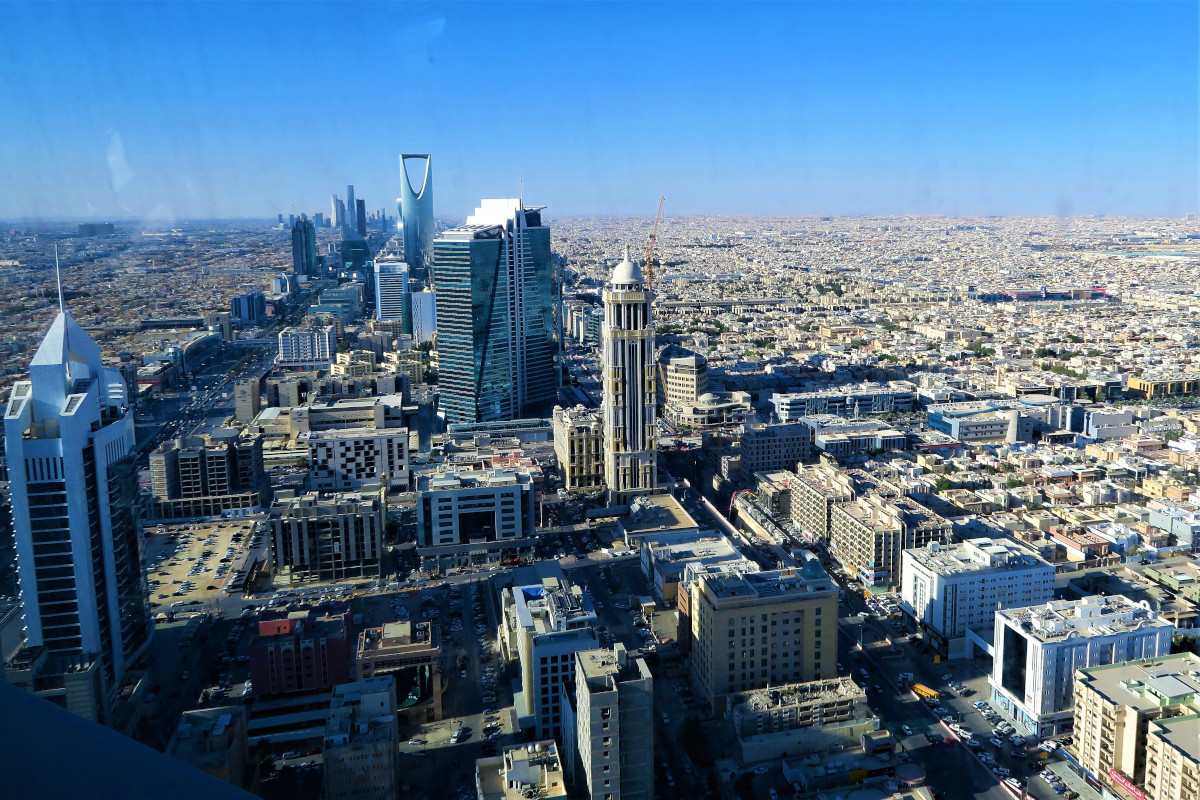
Saudi Arabia is a nation with a rich and diverse cultural heritage, intertwined with modern urban developments. The capital city of the kingdom, Riyadh, is not just a bustling metropolis, but also a place where traditional values coexist with modernity, fostering the proper environment to establish a thriving expatriate community.
In recent years, the city has seen a rise in Riyadh's themed residential neighborhoods that cater to different cultural backgrounds and lifestyles, creating vibrant, diverse, and close-knit neighbourhoods. These cultural themed residential communities in Riyadh offer a unique blend of tradition and modernity, fostering a sense of community and promoting cultural diversity in Riyadh neighborhoods. In this blog post, we will take you on a journey through some of Riyadh's themed residential neighborhoods that are turning the city into a cultural tapestry.
Diplomatic Quarter (DQ) - Where the World Resides
One of the most iconic and cultural themed residential communities in Riyadh is the Diplomatic Quarter, or DQ. Nestled within the heart of the city, the DQ hosts embassies, consulates, and international organizations, making it a melting pot of cultures and nationalities. Here, you will find residents hailing from all corners of the globe, creating a microcosm of cultural diversity in Riyadh neighborhoods. The community showcases a harmonious mix of architectural styles, lush parks, and facilities that cater to the needs of the international community. It is not just a place to live but a place to connect with the world, surrounded by a kaleidoscope of cultures, making it a truly global experience.
Al Nakheel Village - A Glimpse into the Saudi Heritage
For those seeking a more traditional Saudi living experience, Al Nakheel Village is a captivating choice. This themed residential community is designed to immerse residents in Saudi heritage and culture. Paying homage to Saudi traditions and aesthetics, the architecture, landscaping, and ambiance of the place all reflect the nation's rich traditions. Living here is like stepping into a time machine that takes you on a journey through Saudi Arabia's history, with a modern twist. From traditional souks to charming courtyards, Al Nakheel Village offers an authentic cultural experience, exuding a distinct Saudi flavour that reflects the rich traditions and hospitality which define Saudi life.
Palm Hills - The Lap of Luxury and Cosmopolitan Living
Palm Hills, located in Riyadh, represents a different facet of the city's evolving landscape. This luxurious residential development caters to those who desire a modern and cosmopolitan lifestyle. It is a haven for expatriates and individuals seeking a high-end living experience, where they have access to international schools, upscale shopping centres, and abundant choices of world-class recreational facilities. The haven-like atmosphere fosters cultural diversity in Riyadh neighborhoods and international connections, adding value to the already vibrant city of Riyadh.
Salam Park - Celebrating Global Cultures
While not a residential community per se, Salam Park is an essential mention in Riyadh's cultural landscape. This sprawling urban public park serves as a hub for cultural events, exhibitions, and festivities that celebrate various international cultures. It fosters a sense of community by promoting cultural exchange and understanding among the city's residents through music, art, food, and entertainment. It is a place where Riyadh residents and visitors come together to experience the world's diversity and a sense of global community.
Embracing Cultural Diversity in Riyadh Neighborhoods
Riyadh's Themed Residential Neighborhoods are transforming the city into a vibrant, diverse, and culturally enriched metropolis, and they are emblematic of Riyadh's evolving identity. As the city continues to grow and develop, it welcomes people from all walks of life, creating a truly diverse and vibrant cultural tapestry. These cultural themed residential communities in Riyadh offer more than just housing; they provide a unique living experience where residents can learn about and appreciate different cultures, customs, and traditions.
From the international flavours of the Diplomatic Quarter to the rich Saudi heritage of Al Nakheel Village and the cosmopolitan luxury of Palm Hills, these cultural themed residential communities in Riyadh offer unique living experiences. Salam Park, on the other hand, brings people together to celebrate the world's cultures and promote unity.
As the city continues to grow and develop, we can only expect more Riyadh's themed residential neighborhoods that reflect the rich cultural diversity in Riyadh neighborhoods and heritage, as well as how they emerge to contribute to the city's cultural kaleidoscope. The beauty of these cultural themed residential communities in Riyadh lies in their ability to bridge cultures and create a sense of belonging, whether you are a local or an expatriate. Riyadh's themed residential neighborhoods are a testament to the city's commitment to embracing diversity and fostering a sense of global community within its boundaries.
So, if you are considering relocating to Riyadh, or simply exploring the cultural diversity in Riyadh neighborhoods, these Riyadh's themed residential neighborhoods offer a glimpse into the many facets of this dynamic and evolving city.
October 16, 2023
What do we mean by Local Festivals?
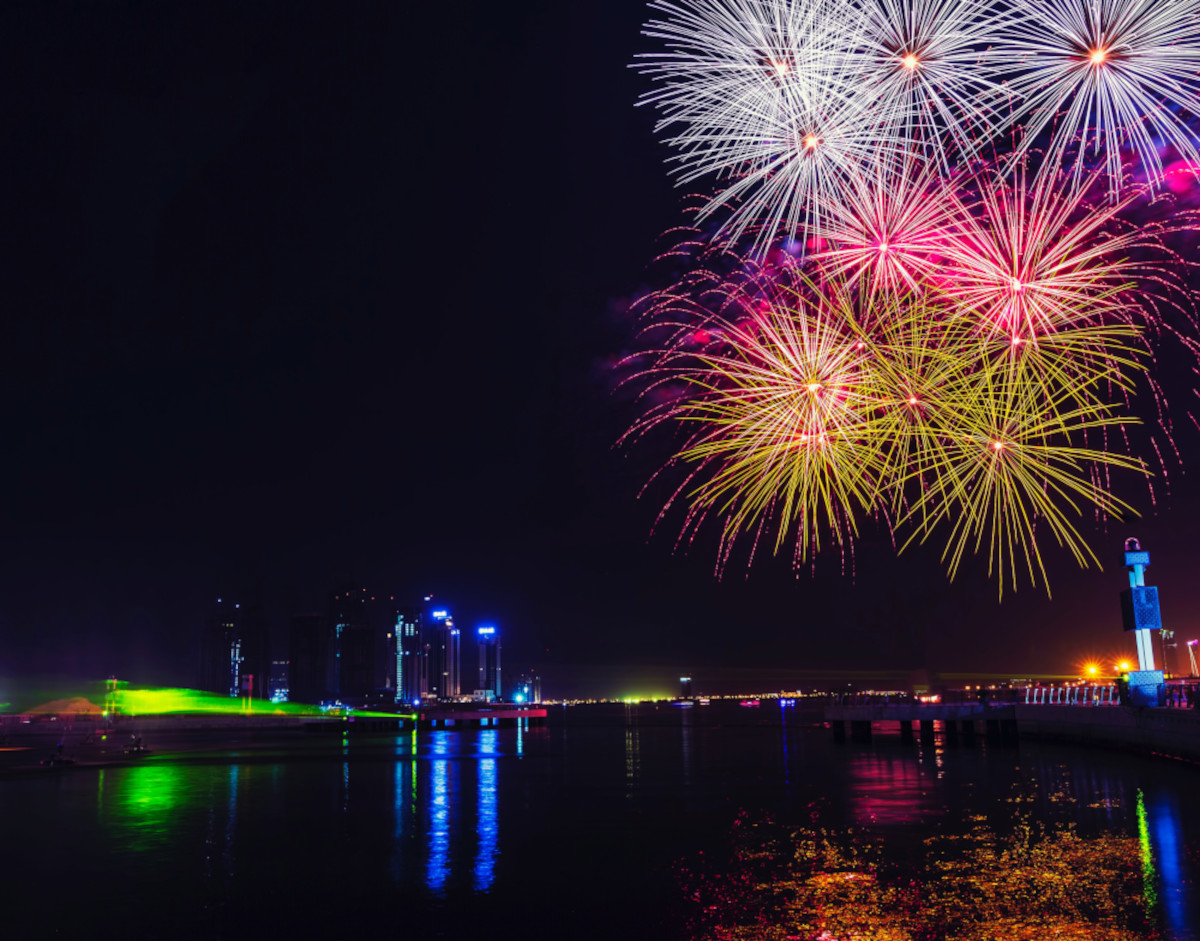
Local festivals are social and cultural events that occur in a specific region within a particular country. These festivals take place at specific times of the year and last for a limited period. They include a variety of activities and events, such as art exhibitions, music performances, traditional cuisines, religious celebrations, and more. The advantage of these festivals lies in their ability to promote cultural heritage and local traditions, reflecting the unique identity of the communities.
Examples of local festivals in the Kingdom of Saudi Arabia:
Festival tourism in Saudi Arabia is considered one of the most prominent tourist destinations that visitors and tourists can enjoy, due to its diversity and quality of organization. The Kingdom is famous for organizing many cultural and entertainment festivals throughout the year. Here are some of the most notable festivals in KSA:
Al-Janadriyah Festival: It is one of the most significant cultural festivals in the Kingdom. Its first edition took place on March 24th, 1985. This festival lasts for several weeks, offering diverse activities that reflect Saudi culture and heritage. It includes an integral heritage village, ancient jewelry, and tools used in the traditional Saudi environment, as well as exhibitions of fine arts. It also includes:
● Camel racing.
● Equestrian and endurance races.
● Operetta performances.
● Folk poetry.
● Book exhibition.
● Heritage displays from different regions.
Historical Jeddah Festival: The festival was launched in 2014 in the historic area of Jeddah, featuring events that begin from Al-Bay'ah Square in the north and extend to Yemen in the south, and from Al-Bunt Gate in the west to Bab Makkah in the east. The festival aims to acquaint visitors with the historic area of Jeddah and its significant historical landmarks.
Taif Roses Festival: One of the most beautiful festivals in the Kingdom of Saudi Arabia, as it is renowned for its colorful flower displays and entertainment events.
The Impact of Local Festivals on Investment Opportunities:
The economic impact of festivals in Saudi Arabia can be substantial and diverse, providing profound support to the local economy. Below are several effects that festival culture yield in the Kingdom:
Tourism Impact: Festivals serve as a favorable opportunity to attract tourists and visitors from various parts of the world. These events organize entertainment and cultural activities that increase the flow of visitors to the hosting region, which in turn contributes to increasing tourism revenue and boosting the local economy. It also stimulates investment in infrastructure development to meet the visitors’ needs.
Cultural and Local Identity Enhancement: Festivals contribute to the promotion of local heritage, culture, and the enhancement of local identity. These festivals include performances and events related to Saudi traditions and customs, allowing visitors to have a closer and deeper understanding of Saudi culture and heritage. Consequently, this cultural identity could be a factor contributing to the rise of investment opportunities, by attracting investors and buyers interested in investing in the region.
Enhancing Collaboration and Communication: Local residents and visitors come together in a shared experience that promotes communication and cooperation among these individuals and their diverse communities. This opens up new horizons for local investment opportunities and economic partnerships.
Promotion of Local Products and Industries: It is known that distribution of local products and industries takes place at these festivals with the aim of promoting them. This promotion can lead to further investment and increased demand for these products.
Attracting Direct Investments: Festivals attract direct investments from companies and institutions looking to participate in the festival, to benefit from its available commercial opportunities. This includes setting up temporary stores, launching new products, or expanding existing businesses.
Partnership Opportunities: Festivals provide opportunities for local and international partnerships. These partnerships facilitate the exchange of expertise and knowledge, thereby enhancing business relationships on both levels.
The Economic Benefits of Festivals:
Festivals have several economic benefits, including:
Boosting the Tourism Sector: As mentioned before, festivals can attract tourists and increase the number of visitors. This leads to increased hotel bookings, Flights, and other related activities contributing to the development of the local economy.
Enhancing Employment: Organizing a festival requires a large workforce with diverse skills, such as organizers, volunteers, and event staff. This helps in creating additional employment opportunities in the festival itself or in the related sectors, like hotels and restaurants.
Stimulating the Local Economy: One of the most important economic benefits of festivals is that they can increase local revenue and stimulate the economy by boosting business volume and sales. Moreover, they enhance the local economy by increasing investment and trade in the hosting areas.
The Impact of Local Festivals on Infrastructure Development:
The availability of festival infrastructure is considered one of the key factors for its success. This opens up opportunities for infrastructure investment in the hosting areas, to improve transportation, public facilities, and roads. thereby benefiting the local community as a whole. Here are some of the impacts that festivals could have in promoting investment opportunities:
Attracting Infrastructure Investments: Festivals can serve as a means to attract companies and investors that are interested in improving the infrastructure in the region.
Collaboration with Local Authorities: Local festivals can collaborate with authorities to implement infrastructure development projects.
Enhancing Communication with the Local Community: Enhancing communication with the community can be achieved by understanding its infrastructure-related needs and requirements. This can be done through surveys or direct feedback to identify priorities and necessary plans to address them.
Using Festivals as a Platform for Display and Promotion: A portion of the events can be allocated for presentations, aiming to familiarize the audience with projects and updates related to infrastructure.
Collaboration with Companies and Institutions: Collaboration with local and international companies and institutions can be pursued to implement and develop infrastructure projects.
In summary, local festivals in the Kingdom of Saudi Arabia hold great significance and reflect Saudi culture and heritage. They serve as an event-driven growth, fostering community development and regional development while undertaking various other functions. These festivals yield positive returns on cultural and economic levels, enhancing the local identity and culture of the host country. They also boost the tourism sector, local trade and most importantly the local economy, which opens up investment prospects for everyone.
October 13, 2023
Historical and heritage properties:
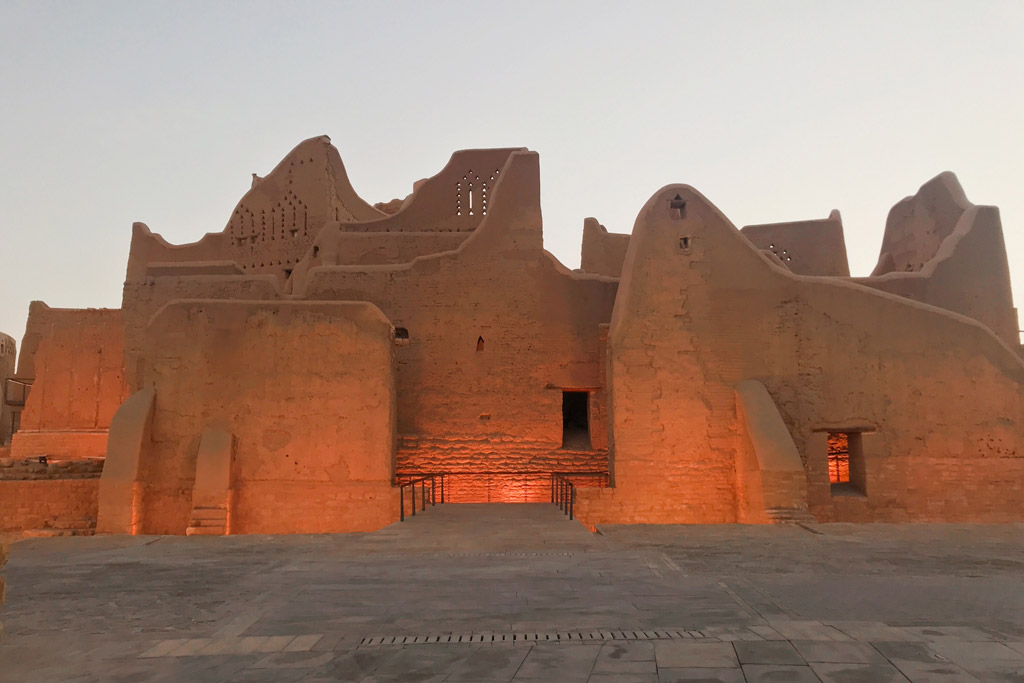
Historical and heritage properties are those properties that hold historical and cultural value for a specific country. Their significance lies in reflecting the development of civilization and enhancing the cultural identity of the region. These properties are relatively old, requiring continuous attention and maintenance to preserve their charm. To ensure the preservation of these important historical elements, various laws and regulations have been established to regulate historical property renovation and restoration.
Architectural conservation and reuse:
Historical building restoration:
Repairing historical properties involves restricted steps to preserve the historical elements and details of the building, along with renovating the structure and facilities to meet modern needs. There are several steps in restoring historical landmarks including:
● Assessment and Analysis:
The assessment of the building's condition, identification of damages, and determination of the materials needed for restoration are carried out through an accurate process that preserves traditional methods and techniques.
● Structural Reinforcement:
strengthening and repairing walls, columns, and roofs, materials for restoration are chosen to be consistent with the old building, preserving authenticity and durability at the same time.
● Restoration of Historical Elements:
Precisely restore and reproduce original architectural elements, such as windows and doors, using traditional methods.
● Updating Services:
Updating facilities in a way that complies with modern safety and comfort requirements.
● Preserving Color and Style:
Preserving authenticity, materials and colors that are compatible with the original building style are used, while maintaining its interior and exterior design.
• Minimal Interventions:
Refrain from making substantial alterations to safeguard the historical essence of the building.
In fact, historic building rehabilitation requires special expertise and technical knowledge to preserve their heritage and historical value. Collaborating with experts in various fields involved in this process is advisable.
Revitalizing heritage buildings:
Adaptive reuse of historic structures aims to utilize abandoned or unused historical spaces in useful new ways while preserving historical architecture value of the building.
Several approaches for investing and benefiting from historical and heritage properties include:
● Converting Historical Buildings into Residences: Historical properties can be transformed into residential units, requiring internal redesign and updates to meet current requirements.
● Converting Historical Buildings into Museums or Cultural Centers: These buildings can host cultural and educational events suitable for the location and its history. Proper equipment for display and interaction is necessary.
● Converting Historical Buildings into Restaurants or Cafés: To provide a unique dining or coffee experience in a historical atmosphere.
● Converting Historical Buildings into Shared Workspaces: By renovating historical buildings to provide space for offices and necessary facilities, the historical value of the place is preserved.
Before heritage building renovation, a deep assessment and analysis of the building's condition must be conducted to ensure the project's viability. Also, an appropriate conversion plan must be designed to ensure the renovation takes place without damaging the original structure. Of course, experts and specialists should be consulted to carry out the conversion professionally.
Preserving historical architecture:
Sustainable heritage renovation is crucial for preserving historical architectural elements. Certain steps can be taken to implement heritage preservation and renovation including:
● Study and Understanding of Architectural History: Conduct a detailed study of the property's history, including methods, details, and materials used in construction to understand its historical value.
● Preserving Original Elements: Preserve original architectural elements as much as possible, avoiding radical changes.
● Using Appropriate Materials: Use materials that are compatible with historical architecture to maintain aesthetics and architectural harmony.
● Preserving Decorative Details: Historical properties are known for their intricate and unique details, which should be preserved and reproduced with accuracy when necessary. Craftsmen and specialists can be employed for these tasks.
● Maintaining Overall Architectural Harmony: Preserve coordination among different parts of the property to maintain visual balance.
Sustainable Renovation of Heritage Properties:
Sustainable heritage renovation is an effective approach for achieving environmental and economic benefits while preserving historical and cultural values. Here are some tips related to sustainable renovation of heritage properties:
Examples of historical landmark restoration:
Given the cultural and social importance of historical properties worldwide, significant efforts have been made to renovate and preserve them in various parts of the world. Examples about redevelopment of historic properties include:
● Renovation of the famous Louvre Museum in Paris.
● Restoration of the Palace of Versailles in France.
● Renovation of the United States Capitol in Washington, D.C.
● Restoration of Big Ben in London.
● Renovation of the Colosseum in Rome.
● Restoration of the Acropolis in Athens.
● Renovation of Ottoman palaces in Istanbul.
● Restoration of the historic district in Saudi Arabia.
Investment in Historical Properties:
Investing in historical properties can be done in various ways. If managed correctly, balancing historical and economic values, the returns on investment can be very high. Common investment methods include:
Legal considerations are vital in this investment, and obtaining necessary permits and approvals from relevant authorities is essential.
Historical and heritage properties have a significant importance, as they reflect the history and civilization of the country where they exist. Conservation of historic structures is considered a duty for the current generation to pass them on to the next generation to ensure their survival and permanence. This can be accomplished by conserving the historical features of heritage properties, enhancing its amenities, reinforcing its structures, and improving its infrastructure.
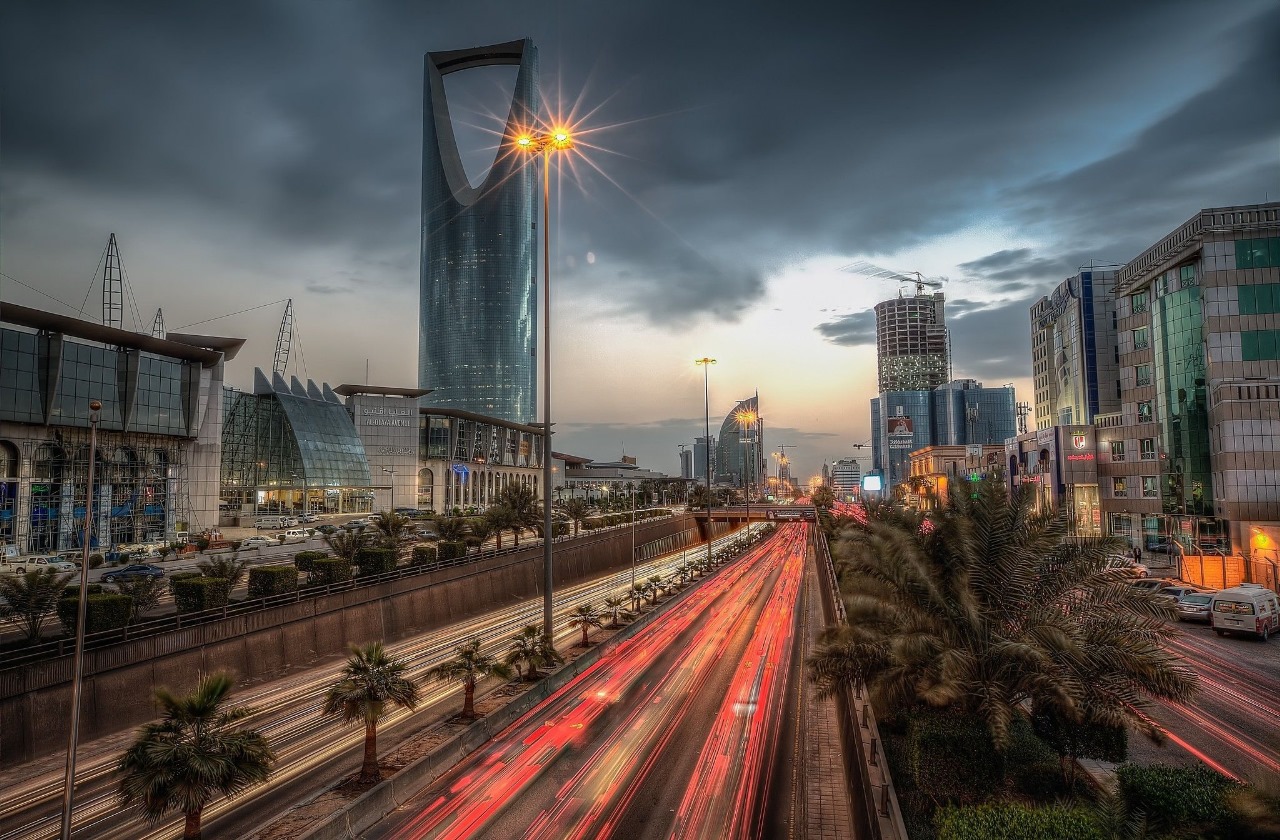
October 13, 2023
Rural Real Estate:
Rural real estate refers to properties that are located away from the noise of the city and are situated in the tranquility of rural areas and countryside. These properties are characterized by peace, nature, and wide spaces, making rural properties an ideal environment for individuals seeking privacy and relaxation. These properties include a variety of assets such as farms, agricultural lands, houses, and more. Investing in rural real estate is an opportunity that has its advantages and challenges, just like any other investment, and that is what we will discuss in this article.
Rural land investment opportunities:
There are various types of rural real estate and rural investment opportunities. Including:
Villas and lounges: One type of rural real estate investment is the purchase of a villa, either for personal use or for renting it out to tourists to generate substantial financial returns.
Farms and agricultural lands: Rural lands can be invested in by cultivating various crops, making them a source of sustainable income since agriculture does not stop throughout the year and across the four seasons. They can also be invested by raising animals and livestock such as cows, sheep, and goats, through building dedicated barns for them, and using the remaining space as a source for their own food production.
Touristic properties: One of the rural land investment strategies is to invest in rural properties and develop them as tourist resorts or rural hotels.
Advantages of rural property investments:
Investing in rural real estate can be profitable, offering several investment advantages, including:
Lower purchasing costs: One of the notable pros of investing in rural properties is the lowering purchasing costs. Real estate prices in rural areas are usually much lower compared to their counterparts in urban areas. This means that with the same budget allocated for investment in urban areas, the investor can acquire a larger property and make a greater investment in rural areas.
Sustainable rental income: Properties can be leased for vacations. Including houses, camps, or farms, providing a consistent and long-term income stream.
Investment diversification: Diversifying the investment portfolio is possible by investing in rural properties, be they agricultural or residential, thereby reducing risks in rural real estate investing, as well as in urban areas, and enhancing financial returns.
Economic stability: Rural properties are characterized by their stability and long-term consistency, as they are less subjected to economic fluctuations and financial crises. This provides investors with security and financial stability.
Business opportunities: One of the rural real estate investment benefits is the new business opportunities that can be applied in rural areas. Investors may have opportunities, such as developing agricultural and tourist projects or commercial shops and complexes that serve the local community, creating a good chance for success and making strong financial returns.
Sustainability and self-sufficiency: Rural properties can be utilized to achieve self-sufficiency by:
• Utilizing the land for farming crops and raising animals to meet food needs and achieve self-sufficiency.
• Achieving environmental sustainability and reducing energy costs and its environmental impact can be accomplished through generating alternative solar and wind energy.
When it comes to investing in rural properties, it is essential to choose an investment type that aligns with our goals and budget. Additionally, it is crucial to consider that while this investment holds positive aspects, it might also carry risks like any other type of real estate investment. Therefore, rural property market analysis is advisable before commencing on this investment journey. Also, working with real estate advisors is recommended for full professional assistance as well, to achieve considerable returns on rural real estate investments.
Challenges of rural real estate investment:
Rural vs. Urban Real Estate Investment:
Distance from urban centers: The distance from urban centers is a prominent and clear challenge in rural real estate investments, leading to various other challenges. This distance creates difficulties in constructing properties in rural areas, along with increased transportation costs and expenses related to providing specialized labor for property inspection and maintenance.
Lack of services: The lack of services affects the attractiveness and demand related to the invested property. Services available in rural areas are considered insufficient when compared to those in urban areas. These services include public transportation and essential facilities such as hospitals and stores.
Limited Demand: Due to lower population density, rural areas typically have limited demand compared to urban areas. As a result, finding tenants or buyers for rural properties within a short period of time can be challenging. This can potentially affect the anticipated financial returns.
Infrastructure: Rural properties often lack good infrastructure, such as paved roads and public services, which can affect their ability to achieve good investment returns.
Marketing and promotion: Effectively promoting rural properties can pose challenges, particularly when dealing with unfamiliar locations, far from major residential areas. This underscores the need to come up with an appropriate marketing strategy to appeal to potential investors and tenants.
Legislations and regulations: It is important to consider the local laws regarding investment in rural real estate. It is also crucial to consider that these regulations might change during the investment process, resulting in additional expenses for compliance with new regulations. Therefore, you need to consistently update yourself with the relevant legislations and regulations to avoid any potential legal risks. It is worth noting that these laws and regulations can differ between regions and countries.
Natural risks: One of the risks associated with investing in rural properties is their vulnerability to natural disasters, such as floods or fires, negatively affecting the property's value. Consequently, these disasters can damage the property, necessitating additional costs for repairs or reconstruction.
The future of rural real estate:
Interest in rural real estate might increase in the future due to technological advancements and growing concerns for sustainability and the quality of life. This development relies on several factors, including government investments in rural areas, which can have a positive impact on the rural real estate market if properly planned and applied. It can also enhance the local economy and contribute to the development of rural areas. Other factors that influence the future of rural real estate include population demand, infrastructure development, and demographic trends.
Rural real estate investment trends:
It is possible to anticipate the future trends of rural real estate based on the current trends we discussed earlier. Here are some possible trends:
● Escaping urban congestion: More individuals may seek rural properties as a means to escape the overcrowding and fast-paced lifestyle of urban areas.
● Remote work opportunities: With the rise of remote work, rural areas may become attractive options for individuals who can work from anywhere. The availability of suitable work environments in rural areas may drive increased demand for rural properties.
Investing in rural real estate is an exceptional opportunity due to its unique advantages which are not found in other real estate investments. However, its challenges often outweigh its benefits, as it has not yet received sufficient support. Therefore, it is important to evaluate the risks and expected financial returns, analyze the market, and assess supply and demand before making any investment decisions related to rural properties.